This is the inaugural issue compiling the City of Literature columns, a regular feature on Dumaguete MetroPost, which celebrates the vibrant literary culture and heritage of Dumaguete City, in anticipation of its bid to be designated as UNESCO City of Literature under the Creative Cities Network. This column is produced by the Buglas Writers Guild, a network of literary artists from Negros Oriental, Negros Occidental, and Siquijor. Each week, we will focus on the work of one local writer. For this month, the guest editor of City of Literature is Dumaguete fictionist Ian Rosales Casocot.
* * *
Each one of us has a crazy dream. To climb Mount Everest, for example, or to write a complicated symphony. Or to bake the world’s largest pizza, if that’s more your thing. In my quiet moments, when I ponder about the things I have written—or plan to write—I think about how wonderful it would be to write a good YA novel, in the vein of The Perks of Being a Wallflower or The Fault in Our Stars, but with a Filipino context and sensibility, something I have yet to really see from a Philippine author.
I have been writing for most of my life, and so it is not exactly out of left field for me to dream of big things that are literary. What is a little bit audacious, however, is an even bigger dream: to make Dumaguete a UNESCO City of Literature. This is part of UNESCO’s Creative Cities Network, which it launched in 2004, to answer what it perceived to be a need to foster appreciation for cultural diversity around the world. The aim is to “promote the social, economic and cultural development of cities in both the developed and the developing world,” through literature, music, film, media, gastronomy, crafts and folk art, and design.
To be approved as a City of Literature, cities must satisfy a number of criteria that mark its affinity to the written word, where literature must be seen to play an important role in city life: this includes the quality, quantity, and diversity of publishing in the city; the quality and quantity of educational programs focusing on domestic or foreign literature in schools at all levels; the hosting literary events and festivals which promote domestic and foreign literature; the existence of libraries, bookstores, and public or private cultural centers which preserve, promote, and disseminate domestic and foreign literature; the involvement by the publishing sector in translating literary works from diverse national languages and foreign literature; and an active involvement of traditional and new media in promoting literature and strengthening the market for literary products. A tall order—but the benefits of being accorded the honor are huge.
To date, there are only 53 Cities of Literature all over the world, which include Edinburgh, Scotland (2004), Melbourne, Australia (2008), Dublin, Ireland (2010), Reykjavík, Iceland (2011), Norwich, England (2012), and Kraków, Poland (2013).
In November 2008, Iowa City in Iowa, U.S.A. became the third city in the world to be declared by the UNESCO as an official City of Literature. Its Creative Cities Network program cites that “[s]ince 1955, graduates and faculty of the University of Iowa have won more than 25 Pulitzer Prizes in literature. Iowa City has been home to such acclaimed authors as Flannery O’Connor, Wallace Stegner, and Kurt Vonnegut Jr. And the world-famous Iowa Writers’ Workshop was the world’s first Master of Fine Arts degree program in creative writing…”
I am specific about my mention of Iowa City as a City of Literature, because halfway around the world, in the heart of the Visayas, Dumaguete is very much Iowa City’s literary twin. Its inclusion in the ranks of these literary cities could prove to be a portal with which we can lay claim to the same distinction.
The writer Rowena Tiempo-Torrevillas, a native of Dumaguete and a current resident of Iowa City once called the latter her “blonde Dumaguete.” Indeed, both share between them a wealth of literary developments that have lasted more than sixty years. “In 1946,” she once wrote, “my father [Edilberto K. Tiempo] was offered a scholarship by the Presbyterian Board of Missions, enabling him to do graduate work in the United States, at Stanford. He was readying himself for the scholarly regimen of the classics, and doing a refresher course in Latin, among his preparations, when my father was asked what area he wanted to specialize in at Stanford. ‘Creative writing,’ he said. ‘There are a number of novels I am going to write, and I need to know if I’m writing them effectively and well.’
“’Oh,’ the Presbyterian Board officer told him, ‘then there’s only one place for you to go. Iowa.’ Dad had to look up Iowa in the encyclopedia, and he was a bit puzzled at what he read. ‘Isn’t that where…they grow corn?’”
Iowa, right smack in the cornfields and silos of the American Midwest, indeed grew corn. But Dr. E.K. Tiempo was soon to learn there was a man there. It was a poet named Paul Engle, and he ran what was and still is considered the best creative writing workshop in the world: the Iowa Writers’ Workshop at the University of Iowa. “And that is how my Dad,” Rowena Torrevillas continued, “took a freighter across the Pacific, then a train halfway across the continent from San Francisco to Iowa City. And one morning, carrying his belongings in an Army-issue duffel bag, he crossed the Pentacrest on the campus to find the postwar temporary quarters in the Nissen huts, the quonset building where Paul Engle was holding the Writers’ Workshop.”
By 1947, Dr. E.K. Tiempo’s wife, Edith Lopez Tiempo, also joined to take part in the writing program in Iowa. When the Tiempos returned to the Philippines in 1951, Silliman University was already abuzz with creative writing. The campus was sprouting literary enthusiasts, among them Aida Rivera-Ford, Rodrigo and Dolores Feria, and Ricaredo Demetillo. The Tiempos made creative writing an area of concentration for English majors in the English Department—and soon that paved the way to preparations in 1961 to hold a workshop similar to the one they attended in Iowa. The following year, it became fully operational, and now it is known as the Silliman University National Writers Workshop.
In 1962, Engle himself visited Dumaguete, and met at the Silliman workshop two Asian writers, Ko Won and Wilfrido Nolledo. These two writers would soon form the nucleus of what was to be the Internatinal Writing Program, which Engle founded in 1967 with his wife, the Chinese writer Hualing Nieh Engle. Rowena Torrevillas, upon returning to Iowa City in the 1980s, would become part of the IWP staff, becoming its coordinator for many years, and editing with Paul Engle the 20th anniversary anthology of the IWP titled “The World Comes to Iowa.” By 2011, nineteen alumni and panelists of the Silliman University National Writers Workshop, would go to Iowa as fellows of the IWP, including Wilfrido Nolledo in 1967, Cirilo Bautista in 1968, Erwin Castillo in 1969, Ninotchka Rosca in 1977, Alfred Yuson in 1978, Rowena Tiempo Torrevillas in 1984, Edgardo Maranan in 1985, Fidelito Cortes in 1986, Marra PL. Lanot in 1986, Susan S. Lara in 1987, Rofel Brion in 1990, Ophelia Alcantara Dimalanta in 1990, Gemino H. Abad in 1991, Marjorie Evasco in 2002, Charlson Ong in 2002, Sarge Lacuesta in 2007, Vicente Garcia Groyon in 2009, yours truly in 2010, and Joel Toledo in 2011.
In 2005, writing fellows from the Nonfiction Writing Program at The University of Iowa, under Robin Hemley, also took part in the National Writers Workshop in Dumaguete, with Angela Balcita, Elizabeth Rae Cowan, Matthew Davis, Bernadette Esposito, Brian Goedde, Jynelle Gracia, Bonnie Rough, and Alex Sheshunoff. The program also sent visiting writers from Iowa to Dumaguete during the workshop’s 50th anniversary in 2011.
It has been a rich literary relationship between two cities. But does Dumaguete have what it takes to be City of Literature? Do we have diversity of publishing in the city? Not exactly, but that can be done, if only we can get visionaries to see the value of a city that publishes books. Do our educational programs focusing on domestic or foreign literature in schools at all levels? They do, but perhaps a sharper focus—with attendant assistance by those in the know—is in order. Do we host literary events and festivals which promote domestic and foreign literature? By God, yes, and plenty of that. Do we have libraries, bookstores, and public or private cultural centers which preserve, promote, and disseminate domestic and foreign literature? Our public library needs help, we can do more than just have National Bookstore in our midst, but we do have cultural centers that do a fine job of literary dissemination. Does the local publishing sector help in translating literary works from diverse national languages and foreign literature? None of that, as yet. Is there an active involvement of traditional and new media in promoting literature and strengthening the market for literary products? It can be done—but we need to do the work.
The Philippine UNESCO Commission has just endorsed Dumaguete as its aspiring City of Literature for 2025. We can do this. It will be an audacious undertaking necessitating a complete overhaul of how we think of this beloved city. But it can be done.
This is a pop-up issue of Buglas Writers Journal celebrating the 123rd Founders Day of Silliman University in Dumaguete City. It cannot be argued that if Dumaguete is a City of Literature, one of the biggest reasons for this distinction is the presence of Silliman University, which, since its founding in 1901 by Presbyterian missionaries, has somehow come to hone the literary talents of many of the the country’s best writers. Part of the story, of course, is the founding of the Silliman University National Writers Workshop in 1962 by Edilberto and Edith Tiempo — but beyond the workshop, the university itself as cradle of literary writing is something that begs examination and is truly something to celebrate. That history has its ups and downs, but the the importance of that literary legacy cannot be denied.
In 2001, in celebration of the school centennial, Sands & Coral, the literary folio of Silliman University — which was founded by Rodrigo T. Feria in 1948, with Aida Rivera Ford and Cesar Jalandoni Amigo as its first editors — came out with a unique generational anthology that celebrated the literary writing in campus since the 1940s, the decade the folio was born. The issue contained the usual stories and poems, but what made it groundbreaking were the generational memoirs written by specific writers from every decade of Silliman writing, from the 1940s to the 1990s. Each piece has the writer recalling mostly their work for the Sands & Coral, but also gives us a glimpse of what the culture of literary writing was like in their decade — hence, a treasure trove of generational writing memories.
This issue reprints those essays, from Aida Rivera Ford in the 1940s to Graciano H. Arinday Jr. in the 1950s, from Myrna Pena-Reyes and Cesar Ruiz Aquino in the 1960s to Anthony L. Tan in the 1970s, from Timothy R. Montes in the 1980s to Anne-Marie Jennifer Eligio and Shielfa Alojamiento in the 1990s — each recounting the pain and the joy, the disappointments and the exhilaration, and the very Sillimanian travails unique to a Dumaguete writer.
This April, we celebrate National Literature Month, and this May, we celebrate National Heritage Month. So what better way to celebrate these two national cultural fests than by mapping out a virtual “litera-tour” of Dumaguete, highlighting the works of key authors in Negros Oriental and at the same time celebrating their works as important intangible heritage of the community! It’s a unique DIY tour you can take to get to know Dumaguete in an approximation of its literary splendor.
We encourage you to take this issue of Buglas Writers Journal as a map to do your own walking tour of specific sites in Dumaguete that have valuable connections with various pieces of literary works, giving the reader/tourist a chance to appreciate the works and to see the significance of specific places in Dumaguete in the light of the literary. [This issue will be closely connected to our Facebook postings.]
In a way, we are aiming to underline the importance of Dumaguete as a “City of Literature” in the Philippines, where many Filipino writers—both local and national [and international]—have aspired to set many of their stories, poems, dramas, and creative non-fiction: Dumaguete as inspirational wonderland.
We have chosen twenty-one spots in Dumaguete that can be found in passages of relevant literary texts. Let’s begin…
We will begin this literary tour at the Campanario de Dumaguete, or the Dumaguete Belltower, long the symbol of the city. The campanario was built during the time of Fray Juan Felix de la Encarnacion who took charge of the Dumaguete parish between 1867 and 1879. It is set on the remains of the original southeastern watchtower originally built by Fray Jose Manuel Fernandez de Septien, parish priest of Dumaguete, between 1755 and 1760. Fr. Septien could very well be considered as the “Father of Dumaguete,” because it was through his efforts that the town grew in strength, even managing to deflect marauding pirates from the South. This literary tour begins with a comprehensive look at the history of Dumaguete, written by one of its eminent historians, Dr. T. Valentino Sitoy Jr.
SPOT 2: THE JOSE RIZAL MONUMENT AT THE M.L. QUEZON PARK
From the campanario, proceed to the monument of Jose Rizal in M.L. Quezon Park. Cross Perdices Street, and enter the city plaza from the western side and proceed to the center, where the statue of the National Hero is located. Rizal came to Dumaguete twice: in 1892, right before he arrived in Dapitan for the start of his exile, where it was noted that he had breakfast at the house of one Jose Longa; and then in 1896, right after he departed Dapitan at the end of his exile, on the way to Manila to volunteer his services as doctor in the Spanish enclave of Cuba—an aborted plan since he was immediately arrested by Spanish authorities, and by the end of the year was executed at Bagumbayan.
SPOT 3: PO’S MARKETING AT THE CORNER OF LOCSIN STREET AND PERDICES STREET
From the statue of Jose Rizal in M.L. Quezon Park, exit the plaza in the western side, facing the Catholic Church, and proceed on foot turning right on Perdices Street [formerly Calle Alfonso XIII]. Go northwards, crossing one block, until you get to the corner of Perdices Street and Locsin Street. On the northwest corner stands Po’s Marketing, which was constructed from the ruins of Hassaram’s Department Store, which burned down in 2007. Hassaram’s and Rajan’s Department Store were two of the earliest department stores in Dumaguete, owned by South Asian immigrants. Also in this area was located Bombay’s Bazar. Reading Torrevillas’ essay, how did Dumaguete locals treat langyaw [or strangers] in their midst?
Go back to M.L. Quezon Park, and contemplate it and its environs. Quezon Park in Dumaguete is not only the veritable center of the city, it is also the true mark of confluence in terms of Oriental Negrense history. The plaza occupies the space between the Cathedral of St. Catherine of Alexandria [the original foundation of which was built in 1754] and the Presidencia [built in 1937 by renowned Filipino architect Juan Arellano], and by its very location has been witness to the historical upheavals and progress of Dumaguete at the height of both Spanish and American colonial rules. It was in this space, for example, that Don Diego de la Viña and his men settled when they arrived in Dumaguete from Guihulngan on 24 November 1898, completing the liberation of Negros Oriental from Spanish rule. Formerly a field of weeds, and then a corn field, and finally a makeshift plaza between the casa tribunal and the Catholic Church, Quezon Park was formally dedicated in the afternoon of 17 September 1916 with the firing of cannons, speeches, music, and refreshments—marking a year of rapid progress in Dumaguete. Quezon Park was refurbished under the direction of Sr. Juan Posadas, transforming the area into recreation grounds with green lawns, gravel walks, flower beds, and concrete benches. It was named after the statesman Manuel L. Quezon, even before he became the President of the Philippine Commonwealth in 1935. This was in honor of his efforts in the passage of the Jones Law, or the Philippine Autonomy Act, in 29 August 1916. Quezon had been one of the Philippines’ two resident commissioners to the U.S. House of Representatives, and had drafted at least two versions of the Jones Bill. Quezon would make frequent visits to Dumaguete in the ensuing years, developing a close relationship with the place. After World War II broke out in the Pacific and the Japanese Occupation began, Quezon and members of his family, and their military escorts, slipped off to safety in Australia from the port in Dumaguete by submarine on 6 March 1942. In Tiempo’s story, we meet an American resident of Dumaguete, who lives in a house with a great view of the park and its environs, and whose life somehow mirrors much of the historical upheavals of the town.
SPOT 5: THE NATIONAL MUSEUM AT THE DUMAGUETE PRESIDENCIA
Proceed to the Presidencia, which currently houses the National Museum of Dumaguete. In 2017, the City of Dumaguete turned over the restoration of the original architecture, built in 1937 and designed by the great Filipino architect Juan Arellano, to the National Museum of the Philippines, which now oversees a Dumaguete branch in the property. Opened in November 2022, the National Museum of Dumaguete currently showcases sections on local natural history, on local anthropology and archaelogy, and on heritage edifices found in Negros Oriental and Siquijor. Part of the natural history display are various flora and fauna found in the island of Negros, as well as minerals and rocks sampled from various sites, including Mt. Talinis and Casaroro Falls. Because we are confining ourselves in this literary tour within the borders of Dumaguete, we can try to explore within the National Museum other places outside of the city, such as Casaroro Falls in Valencia, that have inspired Filipino writers, like this poem by National Artist for Literature Gemino H. Abad.
SPOT 6: THE ARNAIZ ANCESTRAL HOUSE ALONG RIZAL AVENUE
From the National Museum, exit through the Calle Sta. Catalina gate and turn right towards Burgos Street, a pedestrian promenade that connects M.L. Quezon Park to the Rizal Boulevard. Once you reach Rizal Avenue, turn left and in the next corner, you will see the Arnaiz Ancestral House, one of Dumaguete’s “sugar houses,” the homes of Oriental Negros’ sugar hacenderos. It has a fascinating story. In the 1980s, it was the home of Father Eleuterio Tropa, the founder of the Lamplighter World Peace Mission [also called Spaceship 2000]. Then it was the site of the first Shakey’s in Dumaguete, and is now Allegre Bar and Arte Gallery Cafe. It overlooks an area of the Rizal Boulevard which became famous for being the battleground of various men of differing faiths debating over religion.
Head towards the new Pantawan Dos [or People’s Park] area of the Rizal Boulevard, where the Panilongon monument is also located. Immediately to the right of the newly-reclaimed land is the Tinago community, which has thrived on subsistence fishing for many generations, as portrayed in the poem. The Pantawon Dos gives a good vantage point for observing what is happening to Dumaguete, and on good days, you can also see the majesty of Cuernos de Negros in the background. The picture you see is that of a city that is in constant change, perhaps an anti-thesis to the town of nostalgia by the persona of Peña-Reyes’ poem. What is the Dumaguete you remember, and love the best?
Walk down the Rizal Boulevard towards its northern point, and across Why Not? is a curiously shaped acacia tree, which has inspired many writers who come to Dumaguete. The acacia trees of Dumaguete are an iconic natural heritage of the city, and most of them are more than a hundred years old, a significant number having been planted by American missionaries at the beginning of the 20th century. [The Silliman campus itself is dotted with over 300 acacia trees.] An old story goes that an acacia planted at the Rizal Boulevard indicates the Protestantism of the family whose house that particular tree fronts.
Walk down the Rizal Boulevard towards its northern point, and across from Paseo Perdices [formerly the Mariano Perdices mansion] and Sans Rival Bistro [formerly the Manuel Teves mansion], on the [almost] grassy area of the seaside promenade is a bench. There are actually many Rizal Boulevard benches, but this one is our favorite, and feels like the very bench from Villasis’s story. Officially the Paseo de Rizal, it was built in 1916 and currently extends at a length of 967 meters, from the Press Club to the pier [including the extended promenade]. It is named after Philippine National Hero, Dr. Jose Rizal, who was said to have spent a few hours along the stretch to stroll before departing for Dapitan for his exile. Presently, it has become the most sought-after, most romantic promenade of the city, where local social life practically begins. In Villasis’ story, a member of Dumaguete’s old guard who lives in one of the sugar houses falls into a tentative friendship [even love] with a prostitute who uses the Boulevard as her walking ground. What does this say about Dumaguete’s generational and economic divide?
Disembark from your tricycle at Hayahay along Flores Avenue [which, for some reason, most locals used to call Escaño], fronting Piapi Beach [which, for some reason, most locals also call Escaño Beach]. “Escaño,” for many generations of Dumaguete youth, was “party central,” where you could park your car along the seawall, turn the car radio up loud, and party with friends. Hayahay, which includes Lab-as Restaurant, founded by the Fuentes family in 1988, is famous for its Reggae Wednesday, and also for being the “headquarters” for Dumaguete youth for most of the 1990s until the 2010s. Yu’s story paints a picture of this youth culture. What wild things did you do in Hayahay?
From Hayahay along Flores Avenue, walk northwards down the adjoining Escaño Drive, which has only been recently constructed and completed, reclaimed from what used to be a beachfront leading towards Silliman Beach in Bantayan. This will lead you to The Henry Hotel, a posh resort that used to be South Seas Resort, one of Dumaguete’s pioneering beachfront hospitality property. [In Villanueva’s story, it is masked as Seven Seas Resort.] Absent in The Henry Hotel is the dark vibe that pervades the story of a wife running away with her son from domestic strife. [What darkness does Dumaguete hide?] But while at The Henry, enjoy the offerings of its many restaurants, including Sans Rival, Si Señor, and Coffee Collective.
SPOT 12: THE OLD TIEMPO HOUSE AT AMIGO SUBDIVISION
Exit The Henry Hotel from its Escaño Drive side, and choose either to walk or grab a tricycle to the next stop. We suggest walking, for the exercise, and retrace your steps back towards the intersection of Flores Avenue, Escaño Drive, and EJ Blanco Drive, and walk westwards down the latter. Turn left at the first road you will encounter, and you will have entered Amigo Subdivision, Dumaguete’s pioneering subdivision, established in the pre-war years by Mary Davis Amigo and her husband Norberto Noblefranca Amigo. Soon enough, you will come to the subdivision’s main artery. Turn right, westwards. Somewhere on the left, there is a gated property that used to be the home of Edilberto and Edith Tiempo, where they entertained [and taught] for many years, which they had to sell. Miraculously, the house is still intact, albeit in a dilapidated state. “Bonsai” was written in this house, and touches on personal items from the Tiempos’ lives.
SPOT 13: IN TRANSIT, ON BOARD A DUMAGUETE TRICYCLE
From the western entrance to Amigo Subdivision along Hibbard Avenue, hail down the ubiquitous Dumaguete tricycle [which is also locally known as a “pedicab,” albeit a misnomer since the cab does not run on pedals, but is attached to a regular motorcycle]. The cab goes about town with its distinctive three-wheels, and is the most popular form of public transportation in Dumaguete. Its size makes it arguably one of the biggest cabs of its kind in the country. There are currently about 2,500 tricycles plying the streets of Dumaguete. The regular fare, post-pandemic, is 15 pesos per kilometer. Read Gamalinda’s short poem while on transit. Do Dumaguete’s roads “crawl on [their] bellies to the sky” still?
SPOT 14: OUR MOTHER OF PERPETUAL HELP REDEMPTORIST CHURCH
Disembark from your tricycle at the Our Mother of Perpetual Help Redemptorist Church, which is accesssible from Jose Pro Teves Street [formerly Cervantes Street] via San Lorenzo Ruiz Drive, which skirts the church’s compound. The church was inaugurated in 1970, but started its congregation at the then Our Lady of Perpetual Help Chapel at the nearby Manuel L. Teves Memorial Hospital compound in 1958. The Redemptorist Church famously put out a statement to toll its bells when Fr. Rudy Romano was abducted by military forces at the tail-end of the Marcos regime for his activism, never to be seen again. Those who grew up in Dumaguete in the 1980s would remember the ringing of these nighty bells.
SPOT 15: THE PARK AT THE SILLIMAN UNIVERSITY MEDICAL CENTER ALONG ALDECOA DRIVE
From the Our Mother of Perpetual Help Church, grab a tricycle and go to the Silliman University Medical Center. For our purposes, let’s use as our stop the small park at the very center of the hospital compound. SUMC is an independent sector of the university, and grew out of the Mission Hospital first established along Hibbard Avenue [in the building now known as Katipunan Hall] in 1915, which served the community for more than one hundred years. The new one along Aldecoa Drive was built in 1974, and finished in 1976, and boasted of the first elevators in the province. In one part of Aquino’s story, a young man is confined in the hospital. How many stories are there in the actual story?
From SUMC, go a bit eastward down Aldecoa Drive and proceed to the northern entrance to Sillliman campus in a place everyone colloquially calls Laguna. The Laguna road is a bit of a long walk until you reach a second gate that takes you into the main campus. Turn to the immediate left, towards the dorms, and follow the path that leads to the back of Chapel of the Evangel. Channon Hall is the old building beside Hibbard Avenue, one-time torture chamber of the Japanese during World War II. The large acacia trees nearby also served as hanging trees for condemned prisoners. Get a nightmare. In this excerpt from Coscolluela’s play, a middle-class Dumaguete family starts feeling the personal ravages of World War II in the city. How much do you know about the Japanese Occupation in Dumaguete?
From Channon Hall in Sillliman campus, cross the wide expanse of the Ravello Soccer Field towards the Luce Auditorium, and walk the concrete path going southwards along the entire length of the Roman Yap Road, which terminates in one of the drivethroughs that service West Quadrangle, the Amphitheatre, and Silliman Church, which was completed in 1949 and is the built testimony of Silliman’s American Presbyterian origins. Sitoy’s novel, which could be about Dumaguete as Donostia, sets a tense confrontation scene in the university church. Has your faith ever been rocked by doubt?
From Silliman campus, exit through the portals at the head of Hibbard Avenue and turn to the left, towards the sea, along Silliman Avenue. Right near the intersection, you will find Jo’s Chicken Inato, a heritage restaurant in Dumaguete City founded by Josephine and Jesse Ng in 1985 to introduce Dumaguete’s equivalent of Bacolod’s chicken inasal, which is the inato [or “ours”]. It started as a cake house, but later evolved into a roasted chicken empire that speaks much of the locals’ love for chicken. Casocot’s story is a reflection of this love, centered on the inato. While you’re here, eat a pecho.
SPOT 19: EL AMIGO/CAFE MEMENTO ALONG SILLIMAN AVENUE
From Jo’s Chicken Inato, walk towards the east, towards the sea, along Silliman Avenue. Just a stone’s throw away from the corner of Rizal Avenue, you will come across a bar called El Amigo, which has a smaller coffeeshop/gallery inside it called Cafe Memento. This is owned by the visual artist Babbu Wenceslao, the son of the poet Merlie Alunan. Starting in the 2000s, this was the hangout of many of the city’s young artists, and particularly the poets that come to Dumaguete every summer. Pastrana’s poem is a story of a summer love. Have you ever fallen for the same kind of magic in Dumaguete?
From Cafe Memento/El Amigo, walk along Silliman Avenue and go towards the sea, and cross Rizal Avenue to enter Rizal Boulevard once again, this time with a view of Silliman Hall, the oldest building in Silliman campus. Go to the area which is known as Pantawan Uno. “Pantawan” is the Bisaya word for “window,” and this square is just that: the window into Dumaguete, complete with a signage for tourists to take photos in. Sit by the seawall. Contemplate the view. Think of Montes’ love/hate letter to the city. Do you feel the same way?
From the Pantawan Uno of the Rizal Boulevard, where the Dumaguete signage is located, walk the brick pathway towards the northern end of the paseo, which terminates at the entrance of the Dumaguete Pier. Go to the Visitor’s Center, which contains information about Dumaguete for tourists. The Visitor’s Center also has a balcony which gives one a good view of the city, particularly the Rizal Boulevard area. It is a site for both welcome and goodbye. Read Evasco’s poem while looking at the city. Imagine that the farewell it talks about is yours.
The day the small town of Dumaguet ran out of chicken, Pedro Murillo was feeling particularly cocky, like the cliché of a man walking on air. Those who saw him that morning—an old, bent woman who was almost blind from cataracts; a feline street boy smoking a thin cigarette while ogling the purse of a fat, heavily made-up woman whom he was certain to steal from; and a handsome policeman whose kittenish wife of six months had left him only the previous day for a professional sabongero—noted a lightness in the way the man strode towards the center of town.
The man, they also quickly noticed, was dressed not too immaculately in a red silken collar shirt and a black pair of pantaloons, the hems of which fluttered slightly in the soft but sudden breeze. He did not strike any of them as particularly commanding the way an army general or a film star would, and in truth they even found him a little disheveled, and scruffy-looking. But he walked with such presence, an uncomfortable gravity that pulled the nearest attention like a black collapsing star. For that, they were certainly sure he was walking on air. He seemed, in fact, to glide, but of course that was impossible, they quickly thought. For how could anyone glide through the air? They quietly admonished themselves, thinking that growing blindness, petty crime, and love lost certainly made illusions happen. The old woman, for instance, only yesterday mistook a chicken leg for her dead husband, and had refused to eat all day. And then that same night, she thought she saw the entire world with profound lightness that she could see everything. The delinquent, on the other hand, had often gone hungry that there were days he clucked like a mad man, and only the germ-laden fill of pagpag inasal could calm his aching belly—which would be perfectly all right if it were not for the taunting delusions he had of fat women suddenly feeding him, with ferocious love, a wealth of meat to his ready mouth. Lastly, the young policeman, hen-pecked to the very day his wife left him, had been daydreaming of wringing her unfaithful neck as if she were some soft spring chicken, and then making love to her in an abandon of forgiveness.
There were always visions of ghosts and murder. And now there was this specter of a gliding man in red silk shirt! The world, the three of them felt—a silent camaraderie now tying these strangers—the world was surely laughing at them.
The world crowed at their utter ridiculousness.
Yet they would also quickly forget him the moment Pedro fluttered past them. Each one, in a matter of seconds, would return to the vagaries of their own lives—there was a dimming vision to mourn for, there was a purse to steal, and there was a bleeding heart to tend—but when the same startling news came by day’s end, they would all somehow remember this man for no other reason except that he glided.
The bulletin came with the local news dressed up as a human interest story: apparently, there were no more chickens left to butcher and eat in Dumaguet town. Feathers and all, they had disappeared. Just like that. The television anchor only laughed at the bizarre story. “For how could any small town lose all its chickens at once?” he asked, and everybody who watched him laughed, too. People sometimes laugh before tragedies of chickens strike, the old woman, the street boy, and the policeman would think at roughly the same time, suddenly uncomfortable with the secret knowledge, and knowing somehow that the man in the red silk shirt had something to do with it.
In truth, the man in the red silk shirt had nothing to do with anything. His only crime, perhaps, was in falling in love so recklessly and perhaps in liking too much the taste of manokinato.
Nearing the center of town, the man who would be affected most of all by the coming turn of events continued to walk like a cock. There was good reason to the manly spring in Pedro Murillo’s steps: only a few minutes earlier, before he sauntered into the bright sunlight from an inconspicuous apartment shaded by the lone acacia tree along Avenida Sta. Catalina, he had finally—at the unforgivably virginal age of thirty-three—managed to make love to a woman.
And not just any woman. It was the beautiful girl who once waited on him in the city’s most popular chicken restaurant off Hibbard Avenue. She had waited on him for some months—six to be precise—before succumbing to the desire that burned too brightly in his eyes.
It was perhaps that startling sense of passion that made the surrender to the man perfectly understandable, for Pedro Murillo was not a handsome man. He was rather plain: an ordinary nose squatted on the center of his face, and underneath that slightly bulbous protrusion, there was a stretch of thick lips that rarely smiled. There were days when he could say in front of a mirror that he had the countenance of a blank wall, and sometimes the thought amused him. Often, it was only an irritable acknowledgment of his shortcomings, because this one rendered him strangely invisible. People sometimes could not see him. “But how could that be?” he once asked his mother, who died soon after from a freak outbreak of a deadly strain of chicken pox in Dumaguet, which disappeared as quickly as it manifested itself. (Sometimes Pedro thought it only appeared to take away his mother’s life, for which he was eternally grateful.) “How can anyone ever be invisible to the naked eye?” he asked.
But even his own mother did not say anything. She only looked past him, like he was not there, and then barked like a dog. Or crowed like a chicken? He wasn’t exactly sure.
Pedro Murillo could only claim to be extraordinarily tall, although his shoulders were also wide and strong, enough for him to be considered overtly masculine. And yet, despite the generosity of his frame, and perhaps because he had the tendency to blend into any background like a wall flower, he became painfully shy, and grew his hair just enough to be able to hide his face from the rest of the world.
What the rest of the world did not finally see of Pedro Murillo was that he had the slightest streak of blue in his dark eyes, something that came out only when the monsoons from the South would pour down on Dumaguet, around July or August after the summer sun had danced its fierce rampage. In the sheets of rain and the clash of thunder and lightning, Pedro’s eyes would burn blue into the night, to cease only when the last drop of rain would fall from the dark clouds.
But the blue had never sparkled so sharply as it did now. Six months ago, he had gone into Jo’s Manok Inato to get his fill of Dumaguet’s famous chicken dish—a grilled concoction of choice drumstick or chicken breast marinated overnight with a strange and secret combination of milk, sugar, and aromatic spices.
From the moment the woman who waited on him asked, “Paa o pecho?” Pedro Murillo looked up, and knew—like one had knowledge of an immediate need to pee—that he was in love.
It struck him like the quietest of surprise, and almost suffocated him.
It held his breath and clumped all air around the base of his throat so that, finally, he had to force his mouth open just to let in much-needed air. Only then could he look at the woman, and in his eyes—even without a single patter of rain outside—the streak of blue started to glow. For sure, it had never glowed like this. It glowed like moon shine. It glowed like cat’s pee under dark light. It glowed like ephemeral neon, pungent with urgency.
But he could only stare at her and stammer something incoherent, which Ana (for that was the woman’s name on her nametag) took as a preference for paa—or drumstick—quickly thinking that the manager had already warned her that too many customers were preferring pecho, or chicken breast, over the paa, and there could only be too many leftovers of drumsticks by the end of the day. Which was certainly bad for business, the girl quickly agreed, because could there be more breasts than legs to any one chicken? Certainly, everyday, by the time lunch or dinner came, and along with it the hordes of the city’s voracious chicken eaters, she had gotten used to spouting this mantra to her customers: “Wala na’y pecho. Paa na lang—There are no more breasts, just legs.” And to be sure, there were no pieces of breast meat on the outdoor grill. They were all in the back of the restaurant, Ana knew, soaking inside vats of the secret milky marinade.
Pedro did not particularly like paa because he found the cartilaginous part an affront to the succulence of barbecue chicken, but that didn’t seem to matter anymore as he graciously said “Thank you” once Ana presented the barbecued chicken leg, browned by the fiery grill and the caramelized sugar brushed on the tender meat. The chicken leg was set on a round cutting of a banana leaf placed on top of a server made of stylized straw. Beside the manokinato, which was skewered through its middle by a stout bamboo stick, there was a clump of achara or pickled papaya and a lump of white rice still retaining the shape of the cup it was measured from. “Thank you,” Pedro Murillo said once again, shyly smiling this time.
Ana never knew customers to be this polite, and so she replied softly, like the kindly country girl she recently was—“Wala’y sapayan—Don’t mention it,” and went away beaming a bit. Perhaps she was even thinking that she could have been kinder and should have swiped just one pecho from the vats in the back, without the manager ever knowing, and serving it to the man on Table 3.
When she glanced back, she saw him staring at his barbecued paa, a look of confusion in his eyes. And then, almost tentatively, he bit into his chicken, and that was that. In a few minutes, all that was left of the chicken were bones. This Pedro proceeded to suck with gusto, and gnaw at the bones and what little remained of the meat. By the time he downed the last morsel with a glass of Coca-Cola, he began to sport a satisfied face. It was, Ana quickly decided, almost as if the man was in love.
He certainly was. He had never met a woman as beautiful for him as Ana. It was not that she was perfection of alabaster skin and the face of a diwata. She was rather dark—her skin, although smooth, was the color of light chocolate. She was short, although she appeared tall because she took care never to stoop. She always walked with her back straight, and head held high—and for that, she was considered a pariah by most of her peers who thought she was arrogant “when she is just a common wench,” they’d say, “a waitress in a chicken restaurant!” That these words hurt did not actually matter to her because she had been through worse. She had been called various names: a gold-digger, and a “common whore,” even if she was still a virgin at 19. People also called her “manokon,” because her eyes, although perfectly almond-shaped, had one iris that slightly strayed off to the middle. It was not very obvious, and for many of her acquaintances, it took a few meetings for them to be more certain what it was about her that unsettled them. It was certainly not her soft voice, nor the way she walked around with her head held high. It was not her thin lips, nor her breasts that juggled like tiny melons. It was not that she wore no make-up on most days either, like the rest of the Jo’s Manok Inato girls. But when they would at last stare right into her eyes during rare moments when she would frankly regard them with the curiosity of a hen for a worm, there it was, all too suddenly: the left eye slightly askew, at once looking at them and not looking at them. It was always an uncomfortable discovery.
Ana would not wear make-up, like her sisters back home in Guihulngan town insisted they all should, and so her lips had none of the artificial thickness of rouge, and her cheeks none of the sheen of foundation. What made her distinctive from the rest of the brood was the long, black hair she kept untied; it fell around her shoulders like a cascade. That hair had always been the source of envy by her older sisters who also thought her catty and snobbish because Ana would not indulge in their games and gossip, nor join in their common obsession of the radio dramas that made them weep, or cry in terror. “Ang baktin nga ga-daster!—It’s the sow in a common house-dress!” they’d shriek, and then laugh out loud in their company of small joys.
When she was growing up, Ana knew she had to escape their provincial smallness. Her parents were poor. Her father repaired shoes and umbrellas, and her mother had a small stall at the local tsiangge where she sold everything from cigarettes to candies to eggs to produce from her small garden: kalamunggay, kangkong, sili, and mangoes when the fruit was in season.
They lived in a small wooden house with thatched roof, which was fairly respectable for the most part—but it was poor, and the only entertainment the sisters had was the radio (which blared away from sunrise to sundown) and the flirty gossip about the town’s abundance of horny brown bucks. Gorio supposedly had the biggest dick in town, or so Criselda and Betchang claimed, giggling like blushing bitches in heat; Manuel had the smallest, and Alvin—that rogue of a charmer with the sweet, innocent smile—had deflowered most of Guihulngan’s girls behind the convento, where the old willow trees bundled together to create a hiding place of leaves, limbs, and tall grass. But Ana would have none of this type of gossip—although she knew the Alvin boy quite well, and had once felt a strange quickening in the triangle that spread from her nipples to the delta of her pubis when she had seen him smiling sweetly at her during church service one Sunday morning. It was not that she was moral and believed in the virginal tenets the nuns at school railroaded at them. She, in fact, hated the nuns and their cloistered lives. It was only that she did not want to become pregnant, like many of the girls she knew, and end up becoming bored housewives, trapped in a very small town, with only the radio to while away the rest of their days.
While she planned her escape, she took to her mother’s chickens as the best alternative to becoming bored. She had already read all the komiks in the tsiangge’s basahan, and she found herself at the edge of surrendering to the radio melodramas of her older sisters. That was when she decided she would feed the chickens one day. “I would like to take over Betchang’s chores, Ma,” she said, “I’d like to feed the chickens myself.”
“Are you sure about that? What about your sister?” her mother said.
“Oh, if she wants it, she can have it,” Betchang quickly agreed. Ana’s chores, after all, were simple: she wiped the tiny sala clean and washed the dishes after lunch and dinner. Betchang knew this was work that afforded her the best opportunity to follow her radio dramas more faithfully. Feeding chicken was “gawas” work after all, and she hated it—she’d always cursed the gods under her breath for work she deemed below menial. She hated it when all she could hear of the unfolding drama was a small echo quickly lost in the cackle of the chickens rushing about her legs. Often she had to run to the open window and ask her sisters what was happening next.
The exchange was made. Ana began feeding the chickens, and that day she welcomed the chance to be outside, where the expansive blue of the sky promised more than the sad radio dramas, bouncing off the thin walls of their tiny house ever could.
There were nine hens in all and three roosters who cackled at the slightest provocation, always managing to rupture the dead quiet of most afternoons with their piercing crows. Among the twelve chickens, there was also the fluttering of yellow and brown chicks, newly hatched and twittering about in their mad dash for Ana’s kernels of grain, which she spread about with precision and a touch of generosity. She loved the chickens and wanted to see them well-fed.
But there was one hen she was most interested in, perhaps because it was the proudest of the lot and always looked straight at her as if Ana were her equal. She called this white leghorn Burgita, because she was also fat and produced the most number of eggs. She would talk to Burgita as she never did to her older sisters.
“I want to get out of Guihulngan soon, you know,” she told the hen, who regarded Ana with some interest. Ana offered it grain in her cupped hands, and Burgita slowly pecked at the kernels with its tiny, pointed beak, and then studied her some more.
“Guihulngan is too small, don’t you think, Burgita?”
The hen clucked and stared at her. Ana squatted down and played with the dirt with her fingers. She made wriggles on the ground while the chickens dashed about her.
“I want something more, you know?” she said. “I want to feel what it’s like to be in a bigger place, bigger than Guihulngan—perhaps Dumaguet, perhaps Manila. But maybe not Manila. It’s much too big probably for a small town girl like me. And then, when I’m in Dumaguet, I’d find a man—a strong man—who’ll love me and marry me. And then we will have many children, the way you have your many chicks. What do you think, Burgita?”
But Burgita only stared back.
All of a sudden, without even a squawk of a warning, the hen dashed at her and started pecking at her face. Burgita aimed at Ana’s askew left eye. Only with quick thinking and reflexes did she manage to shield herself with her arms.
Burgita began to cackle as if she was in the clutch of sudden madness, and continued to peck violently at Ana. She pecked at Ana’s arms. She pecked at her legs. She pecked at her long hair.
Ana gave a brief, startled shout, and then kicked at the chicken, which went hurdling against a small kalamunggay tree. Burgita recovered and started attacking her once more.
This time, Ana was ready.
When Burgita flapped her white wings and flew at her face, Ana grabbed the chicken from the air. With practiced flourish, she quickly twisted the chicken’s neck, and then let it drop.
Like all dead chickens, Burgita ran around the small garden in wild circles, dragging its head—lying limp on its side—on the dirt ground.
That night, the family had fried chicken for supper.
The next morning, Ana left town for Dumaguet, and quickly found work at Jo’s Manok Inato. She watched the roasting chicken browning in the light, and she thought, Perfect.
By late afternoon of the same day six months ago, when people in the small town were busy navigating the sudden Dumaguet traffic to get home to their early evening soap operas, or to go shopping before the shops closed for the night, Pedro Murillo was back in Jo’s Manok Inato in time for supper.
He sat in the same table, and breathlessly waited for Ana to come to him, with pad and pen in hand, ready to take his order. And still it was the same exchange: man and woman and the arbitrary need for chicken. “Paa or pecho?” Ana asked, smiling. And without fail, Pedro said, with a slight quiver in his voice, “Paa.” And she smiled even more brightly and went away to prepare his order.
The next day, for lunch and dinner, he came, ordering paa still, and Ana would nod, smile a bit, and prepare Pedro’s meal.
The day after that, Pedro came. Lunch and dinner. And also the day after that, and the day after that, and the day after that. “We may run out of paa soon if you make this a habit, manong,” Ana said one day. “Not that I am complaining. You’re very good for business, I must say.”
“You can call me Pedro, and what do you know … I just happen to love paa, that’s all,” he said, smiling broadly at first but ending with a gentle chuckle, a mirthful sound that usually comes only with the greatest of comfort—like a lazy day at the beach, like lying down on the grass to gaze at the stars, like reading a funny passage from a good book.
Day after day, Pedro Murillo showed up at the restaurant, and each time he seemed to grow bolder, more masculine, and people finally began to notice him. He seemed to grow even taller like a hulking angel, and his plain face seemed to crunch more energy and character. Some even grew afraid of him, as if this giant of a man with the strange dark blue eyes, would take them like frail barbecued pecho and eat them. Lunch and dinner, Pedro came. And also the day after that, and the day after that, and the day after that, and the day after that, and the day after that.
“You seem to like chicken a lot, Pedro,” Ana said.
“But of course,” he said with a slight majesty to his tone, something which surprised even him. “I am, after all, a Dumagueteño. Born and bred.”
Which was true. In Dumaguet, people had a peculiar relationship with their manokinato. Or with any chicken dish for that matter—be it inasal, or tuyok manok, or chicken fried in butter, or chicken grilled with a variety of exotic herbs and spices, or just roasted to gravy perfection plain and simple. Off the small town’s main highway and into the various webs that made up its narrow streets, the place was dotted with restaurants and carinderias and eateries and cafés and makeshift small stands that sell chickens of varied cooking style and fancy seasoning. Dumagueteño were obsessed with chicken.
An estimated 3,800 chickens—perhaps even more than that—got the axe every single day in restaurants and carinderias all over poultry-hungry Dumaguet. And this figure did not include the chickens sold at the public market stalls or supermarkets. Three thousand eight hundred chickens and counting… pre-packaged, or straight from someone’s local backyard.
If one really thought about it, that was an awful lot of chicken.
And this man, Ana thought, the quivering in her delta suddenly growing in intensity as the months flew by like mad chickens, this man can gorge on them all.
When anyone ever came up with the idea of the essential Dumagueteño, chicken meat should be way up there—together with the observation of the local habit of people walking too slow, like leisurely turtles, as if promenading under an eternal full moon—in defining who Dumagueteños were.
Once, a few moons ago, Pedro Murillo met up with a friend from Manila who was in Dumaguet for a brief visit “to get away from the exasperating hustle and bustle of big city life,” or so the friend said. (In truth, the friend—a professional sabongero—was in town for a tryst with a policeman’s wife.) The friend perfunctorily asked him: “Now, where can we have a good lunch for today?” and then added, with a certain emphasis bordering on thoughts of over-saturation: “And I don’t mean another dish of chicken.”
Pedro pretended not to know what his sabongero friend was implying, but he knew what he was talking about. They went to Lab-as instead, to sample the seaside restaurant’s fare of bangus dishes—be it relleno, lumpia, kinilaw, or sugba. And yet, like a rebuke in their upsetting the grand scheme of things, they felt surrounded: in every corner of Dumaguet, there was some small shrine disguised as eating places dedicated to the art of chicken-meat mastication—and Jo’s Manok Inato was the biggest temple of them all. Its grilled chicken has become very much a part of Dumaguet tradition. The delectable white meat, sweetish to the taste, and smelling always of some grilled milky heaven, was part of the Dumaguet blood. It was, Pedro told the sabongero friend, the first thing most Dumagueteños missed of home, together with the cheeseburger from a small deli called Taster’s Delight. No one could sufficiently explain why this was always so. Pork or beef or fish were fine culinary considerations, of course—but chicken? Chicken defined the Dumagueteños very taste buds, so much so that by the end of this one day when Pedro Murillo began walking on air, the impossible happened, and the panic began.
It began with a fat heavily made-up woman walking into another restaurant—a placed called Chin Loong, because it fancied itself a Chinese restaurant—and was told by an apologizing waiter, with a flustered, unbelieving look on his face, that there were no chicken dishes available in the restaurant, and it seemed everywhere else as well.
“Not even fried chicken?” the woman asked.
“No ma’am,” the waiter said. He was a patient man who was already tired to the bones since he had to do all the available shifts for extra pay, to raise the money to finance his mother’s cataract operation.
The fat woman looked at him, quite contemptuously, as if he was lying.
“Even sweet and sour chicken?”
“No ma’am.”
“Is this a joke?” she shrieked, waving her huge purse at the poor waiter.
“No ma’am,” he said, sounding even more tired.
“Chicken with herbs? Hot and spicy chicken in Caribbean style? Enchilada?”
“No ma’am.”
“Moroccan chicken stew? Malaysian chicken? Chicken curry with potatoes?”
“No ma’am.”
“Not even something simple, like salted chicken deep-fried in butter?”
“The town has run out of chicken, ma’am,” he said.
“How can any place run out of chicken?” the woman asked, exasperated, because she was already dreaming of chicken dripping with the sweet and sour combination only Chin Loong could make. The waiter mumbled some more apologies, and recommended the sweet and sour squid instead.
The fat woman grumbled, and then stampeded out. In her hurry, she did not see the approaching scruffy boy who, like the swiftest cockroach, managed to snatch her purse and run fast from her fat threats and her screaming. Some distance off, the boy came to a dry ditch where, in the anticipation that followed, he began counting what money bills there were—Enough, the boy thought, tears streaming down his thin face, to last me more than a month of eating chicken.
But the grumbling in the small town grew darker and added an element of surprise to the wild speculations when, one by one, Dumaguet’s eating places—every last one of them—discovered there were no more chicken meat in their freezers. When they called their suppliers, there was even grimmer news: there were no cackling livestock on hold either, much to the surprise of everyone, and all the eggs had disappeared, too. There were just no chickens left in Dumaguet, nor in the neighboring towns of Sugbulan and Valenciahermoso and Bakikong.
But it seemed only natural for things to disappear in Dumaguet: it was a place of many disappearances, some mythological, some historical. The name of the place itself came from “daguit,” which meant “to kidnap away,” a mark of a time long gone when this tip of Negros Island was once the favorite spot for Moro marauders to attack and whisk away men, women, and children from small settlements around the Banica River, all herded off to the slave trade in Malacca in the South.
Dumaguet was a place of eternal capture, and of late something else had defined the way the small town “stole away” its visitors—there were hundreds of people from as far away as Palawan or Samar or Leyte or Luzon or Mindanao who’d come for a spell, and then refuse to leave. Or perhaps leave with such heartbreak, as if they knew the small place to be bred in their bones and blood.
Ultimately, all Dumagueteños, native or transplanted, came to love chicken meat like it was manna from heaven. Its disappearance, of course, would be met with such terror, and some of the religious ones—the hypocrites of Calvary Church or Living Bread Chapel, for instance—all talked of impending Dooms Day.
In Panda Haus, an ice cream shop over at Harold’s Mansion in the dry, dirty borough of Tubod, the announcement of its own shortage of chicken proved a panicky development to Pedro Murillo himself. For it was the place he was headed to, in his cocky approach, in the very center of town: it was his own private chicken paradise since he knew not too many people in Dumaguet realized that Panda Haus served more than just locally-made ice cream. One of Pedro Murillo’s favorites from the Panda Haus menu was its generous serving of Steamed Rice Chicken, which was not exactly the regular dimsum variety people knew. For Pedro, the plus side of this dish—aside from the fact that it was extremely addicting—was the fact that all of Panda Haus’s chickens were of the organic variety, which, he was told, made the whole lot quite healthy to eat. And most days, living the bachelor’s life always on the go, Pedro Murillo subsisted on the dish when he was not out consuming manok inato.
That fateful day, when the Panda Haus attendants told him they had run out of organic chicken, Pedro Murillo panicked.
“You must have some chicken hidden somewhere!”
The attendant only stared at him, and said, “But sir! We don’t grow organic chicken from trees and pluck them just like that!”
“Well, then,” Pedro Murillo said in a huff, “better hatch them fast.”
He knew then what he thought he must have always known. One could deprive a Dumagueteño of chocolate and cake and lechon and all other delicacies in the world. But just give him his damned chicken meat. For all that it was, chicken was the most definitive of meats. Wasn’t it any wonder that when people must describe some exotic meat dish—say snake, or kangaroo—they would always say, “Tastes just like chicken”?
Chicken was, Pedro Murillo knew, the universal paragon of the tastefully divine.
Thus, every Sunday after church, Pedro Murillo would go to City Burger instead of Jo’s Manok Inato, to pay devotion. City Burger was a strange misnomer of a place because, although it did offer burgers, it was more well-known for its peculiar blend of chicken barbecue, which was the complete opposite of Jo’s milky concoction. Pedro Murillo did not mind the strange angles of this restaurant along Real Street, an open-air space that resembled the ruins of a gutted house (it was, in fact, the ruins of a gutted building). He did not even mind the apparent misnaming of the place. He, like the hordes, all came to City Burger for one thing: its grilled chicken quite unlike its delicious cousin over at Jo’s with its extra-sweetish taste of the sauce the barbecue dripped with.
Pedro always felt guilty after eating in City Burger, but it was a guilt he could live with. It was the same guilt that possessed him whenever he crossed the street from his office to the stone’s throw distance of Nena’s Kamalig. Only in Dumaguet could there be distinctions about the grilling styles of chicken. There was supposed to be the Dumaguet-style, as in Jo’s and City Burger’s, and there was the Bacolod-style. It was called inasal, and although Nena’s Kamalig also served liempo and a host of other grilled meat with the distinctive taste that was a combination of burnt liver and catsup, it was the chicken—not surprisingly—that people took to liking more. The dish was delicious in itself but never complete without the final touch: that sauce on the table that looked like reddish moonshine. Chicken oil drippings. “That’s a heart attack waiting to happen,” Pedro’s sabongero friend once commented, before he dashed off to meet his kittenish paramour.
“It’s a risk anyone’s willing to take,” Pedro said, believing in the romance of the risk, and readily ladling in a generous amount of chicken oil droppings for his sabongero friend to partake.
There were also the various lechon manok stalls all over the place, especially Manok ni San Pedro and Golden Roy’s—Dumaguet’s original lechon manok place, its generous chicken still amazingly spicy to the smell and to the taste. Eventually though, all Dumagueteños still flocked to Jo’s for its succulent chicken barbecue, rivaled by many but still retaining its distinction as the keeper of a place’s memory.
The restaurant was a swanky place now, an improvement from the old Jo’s of the previous decade, which was a crowded affair of amakan darkened with soot and the grime of years.
The night Pedro Murillo succeeded in wooing Ana into bed with him, she had taken his orders silently, and then finally told him that the only way to go about eating his manokinato was with bare hands, straight from dish to mouth.
“No spoons and forks,” Ana said, a catch in her throat as she felt Pedro Murillo’s blue stare taking hold of her. “Kinamot is the way to go about it.”
In the middle of the room with people eating with bare hands, how best to eat his barbecued paa didn’t really matter any more to Pedro Murillo. But his eyes said, Of course.
This was the only way to go about it, he thought, looking at Ana with his darkening blue eyes: chicken touching skin, going straight to mouth, tender meat grinding against the touch of tongue and teeth. The ritual became the mark of their—Pedro’s and Ana’s—familiar shared secret. This was, they knew, their bare, intimate homage to the growing passion—and the food—that defined them.
When, at last, Pedro Murillo finished with his last bite, wiping his mouth with the brusque flourish of hand by a man in heated want, Ana almost fell into a faint, and that night, Pedro Murillo took her to her home along Avenida Sta. Catalina. Under the blanket of darkness, she turned to him naked, and he entered her.
When they came, Ana could swear she heard the world explode in the bright cackles and crows of chickens far away, so loud the sound seemed to invade her soul.
For a brief moment, in the span of minutes it took Pedro Murillo to hurtle to the heavens with his conquest and subsequent surrender, an old woman blind with cataracts was able to see with a clarity that shone so brightly, she would remember seeing the world with so much preciseness she saw happiness and sadness dressed as angels. She was staring out her window gazing at her memory of the stars, when suddenly the stars focused themselves beyond her haze, and she could see clearly the outline of a rooster in a bright new constellation. How she crowed at the sight.
In another corner of Dumaguet, a young boy, brown with the dirt of the streets and tottering with the hunger pangs that ate at him, fell into a ditch, and in a burst of light fell into the generous bosoms of fat women, with their purses filled with all the riches of the world, and filling his craving with the sweetest of chicken meat.
And still in another corner of the small town, a handsome policeman reached out to his anguished, heartbroken dreams—and behold, when he leaned wearily out from the dreamstate, he held once again his beautiful kittenish wife in his arms, all of her flesh still pure and innocent for him, and then they made love under the rooster stars, as she breathed, with unforsaken truth, that she loved him, that she would never leave him, and that all sabongeros would soon die anyway from too much cholesterol in chicken oil drippings.
All around them, Dumaguet crowed with the sounds of a thousand chickens. And when Pedro Murillo finally lay down breathlessly at the side of his Ana, who was also out of breath, they could sense the growing calm. The sounds of crowing soon dissipated into a dreadful, beautiful quiet.
The very next day, there were no more chickens.
But we must end happily this tale: nine months later, an egg—which always comes before the chicken—fell from the sky.
Ian Rosales Casocot taught literature, creative writing, and film at Silliman University in Dumaguete City, where he was Founding Coordinator of the Edilberto and Edith Tiempo Creative Writing Center. He is the author of several books, including the fiction collections Don’t Tell Anyone, Bamboo Girls, Heartbreak & Magic, and Beautiful Accidents. In 2008, his novel Sugar Land was longlisted in the Man Asian Literary Prize. He was Writer-in-Residence for the International Writers Program of the University of Iowa in 2010.
Sometime last year, I published an essay on Rappler that chronicled the difficulties that the Martial Law years wrought on Negrense lives, especially with its specific stranglehold on the sugar industry that remains totemic of Negros society — but I wrote it the only way I knew how: in the painful mapping of the upheavals it wrought on my family, and how we lost everything because of political and economic machinations we never really knew had us in their claws. I wrote about our descent to poverty, and the hunger of those days. I wrote about my father, and how he lost his pride, which he never recovered from. And I wrote about my mother, and how she braved through the upheavals with her sense of survival and enterprise. In the final analysis, I can truly say that I understood fully the overarching social reality of my world at that time via the ways my family’s lives were reshaped and changed. The newspaper chronicles may have their facts and their numbers, but the pains and the joys have an extra edge when we see them through the lens of family drama.
I reflect on that because the dynamics of familial relationships—the jagged joys and the recurring recriminations—is the pattern that somehow emerges in this issue of Buglas Writers Journal, especially in our prose section. Here, we have writers trying to understand specific social realities in the ties that bind [and unbind] them with family members.
Two pieces of fiction featured here are the top winners of the Palanca Awards of 2022, and they set the stage for the theme of family this issue is somehow about. Rayboy Pandan’s Bittersweetland, which won the Grand Prize for the Novel, follows a haunted New York exile who comes home to Bacolod to attend a fete celebrating his politician father. In the excerpt we have chosen [which is Chapter 2 from the manuscript], we see the character preparing for the homecoming, and steeling himself from the flood of memories evoked not just by the familiar landmarks of home, but also by the reconnection to family a homecoming always entails. The excerpt provides the backdrop for the novel’s ultimate dilemma: his father, having announced his intentions to run for public office, is assassinated, and this puts our hero into a tailspin that involves not just family drama but also cruel Bacolod politics—and because the novel is set in the early 1980s, also the looming sugar crisis and the slow disintegration of the Marcos regime in the wake of the assassination of Ninoy Aquino.
I have also chosen to include my short story, “Ceferina in Apartment 2G,” which won First Prize in the Palanca, because it also chronicles a very specific kind of family dynamics: in this Los Angeles-set story, an aging mother, newly migrated to the United States, tries to make her new home feel more familiar by cleaning every nook and cranny of her son’s apartment, even if she is besieged by homesickness for Hinoba-an [a town in southern Negros], the ghosts of her own troubled past, and the specter of not being aware of her son’s homosexuality.
This gay theme is also touched on by Elsa Martinez Coscolluela’s short story, “After This, Our Exile,” which won Third Prize at the Palanca Awards in 1972. Told from the point of a view of a girl adopted by a landed Bacolod family, it chronicles the various personal tragedies that befall this family—all of them springing from the patriarch’s raging machismo. This invariably destroys the lives of everyone in the family, including the scion who becomes an activist who turns his back on his sugar roots after suffering the years of indignities wrought on him by his father who is disappointed by his “effeminate” ways. The story is also an indictment of Negrense society, and how it coddles societal ills by its acceptance of dangerous machismo, as well as embrace of a worldview that treats plantation workers—the sacadas—as vermin to be constantly put in their place.
This repudiation of machismo is also evident in Jose V. Montebon Jr.’s short story, “Bottle Full of Smoke,” which won Second Prize at the 1954 Philippines Free Press Short Story Contest. In this painful tale of family strife, a boy witnesses the abuses heaped by his alcoholic father on his mother—and proceeds to do the only thing he could to even the pain.
In Alana Leilani Cabrera-Narciso’s creative nonfiction piece, “Psalms,” we don’t get a family wrecked by an abusive alcoholic father—but nonetheless, it is a tale about a young daughter coming to terms with her father’s unbending strictness that governs their spiritual life, and how this is tested by a freak accident which changes their lives.
Not everything familial in this issue is painted in strife and struggles. In Albertha Lachmi Obut’s children’s story, “The Moon has Many Shapes,” we get a reprieve: it is the story of a young boy who lives in a world that only knows Day, but hears of a world that is somehow governed by Night. One day, in his reverie about that unknown world, his grandfather comes along to give him a story that may fire up the young boy’s courage to pursue what is not known.
The poems in this issue, however, stray from the thematic thread of the prose pieces. In F. Jordan Carnice’s suite of two poems, we get a mediation on garden life informed by the long lockdown of the pandemic, and we get a play at definition for a word that promises a multipliicity of meanings. In Jhion Jan Navarro’s “Kay Tuman ka Gabok sang Lawas,” we get two Hiligaynon binalaybays that maps emotional geography of a city. We get the same treatment in Simon Anton Diego Baena’s “Orison,” a short poem that that traces the phantoms of a rainy day in his hometown of Bais—a yearning for meaning that is also reflected in Junelie Velonta’s “Bright Lights on the Water’s Surface,” which does the same for Dumaguete with the persona confronting the dark waters off the Rizal Boulevard.
When she looks out the window from the second-floor apartment she is in, it strikes her that the blueness of the late afternoon sky over L.A. does not have the same familiar aquamarine comfort of home. How can the sky be so different here? And yet here it is: there is a cobalt deepness to the blue that makes it feel like a gigantic void closing in, and when she thinks about it deeply, she finds herself shivering a little.
You are being a silly old fool, she tells herself.
It is late November and it is getting cold. Ceferina is not used to the cold, although her son laughs off her worries and tells her it is only a very mild autumn chill—20°C is practically tropical—and perfectly suitable for California. She will get used to the slight nippiness in the air—because she’s finally here in America. Gio tells her this in a tone that beggars relief and an undercurrent of bewilderment. And at least in Los Angeles, he also says, it is still warm and sunny.
“It is sunny. But this is not warm,” she insists.
Warm is mid-morning in tropical weather, a late breakfast of puto maya and hot tsokolate, and looking out the big window in her old house in Hinoba-an watching the bananas and the mangos ripening in her small yard.
Here, the windows are squares holes punched into concrete, glass panes mitigating the difference—and underneath them, those things that look like an assemblage of pipes her son calls a radiator, which he has apparently not used until she came to live with him. At least that contraption gives off heat—although the cold still manages to seep in, sinking deep into her bones.
I am too old to get used to new things like strange climate, Ceferina thinks.
“This is nothing, Ma. When I had my first autumn in Nebraska, I felt frozen. Remember I told you that?” Gio tells her. “And then that first winter was brutal. Didn’t I tell you this story when I first went back home to visit?”
How many years ago was that? she wonders to herself. These days, time is flat and extends into forever—like the endless cobalt sky here. In her old age, she can no longer quite grasp the passing of years much, except that they roll by too slowly. Or at least they seem to be. But the hours and days also bleed into each other, and what feels slow also feels fast, but only in retrospect. Today is Friday, but wasn’t it only Saturday yesterday? She has learned not to answer stupid questions like that.
It must have been almost two decades since Gio left home to go to Nebraska to work as a nurse. The hospital he applied to was willing to sponsor his work visa, and he had insisted he had to work in the U.S., not some other country like his college classmates were willing to migrate to.
He didn’t know Nebraska would be corn country, but it was a change of landscape he was willing to endure. St. Edward, deep in Boone County, was small town America that indeed needed enduring—and Ceferina intuitively knew this from reading between the lines of the letters Gio sent from those years, the homesickness apparent in the beginning and then increasingly less so. Once he got his green card, however, Gio wasted no time to eventually make his way to Los Angeles where the climate (and the big city life he craved) was infinitely better, and his for the taking.
Coming to America had always been the blueprint. It was something many people back home did then, and probably still do now: to go to college to become a nurse (or a physical therapist), find all the means necessary to work abroad—America foremost in all consideration, and then be part of the thousands sending remittances home to keep families afloat, to have a chance at a middle-class dream. And then, above all, the grand possibility of migration for the family left behind.
“Someday, I’m going to bring you to America, Ma,” Gio promised her a long time ago when he graduated with a BSN degree—and to be frank, that idea excited her, like it was the ultimate prize for all the sacrifices they’d made as a family. After all, wasn’t that the dream? Wasn’t that what she prayed for? Wasn’t that the natural progression of things? Child works abroad, child petitions parent for migrant status, and after years of waiting, child and parent reconcile in the most promising of all promised lands?
But now that she is here, everything feels askew. She does not know how, or why, but something was amiss. It was not necessarily something to be alarmed about. It was just the feeling of something discomfiting, like a wish fulfilled in a Chinese curse. All the vague feelings have the gravity of secrets ripe for the telling, but no one knows the key.
Perhaps the years of separation do take their toll. And what they are—mother and son—are now really strangers with a shared history cut short, and then learning to share a life together again with all the mismatched shards of circumstances—all in a landscape they are not natives of. They are nevertheless banking on blood to make up the difference.
Ceferina looks at her son. It is a Friday night, and Gio is running about the apartment in his usual haste, getting ready for a night out in town with his colorful friends she has only seen once or twice before. He has spiked his hair with styling gel, and has put on a black sando that looks much too tight. His jeans look tight, too. He is wearing boots, of all things.
“Will you stay out late again?”
“I always stay out late, Ma.”
“I wish you’d come home early for once.”
“You’ll be fine,” he replies in that slightly dismissive tone that is at least familiar. “You’ve always been fine. You have the television all to yourself!”
She shrugs. “I don’t like the TV here. They show too many commercials for medicine. And it’s always the Karda—, the Kardash—, that family of really aggressive girls on. I’m not interested in that.”
“There are thousands of other channels you can choose from, Ma. And I promise I’m getting you The Filipino Channel soon. I just keep forgetting to subscribe.”
But I did not come to America to watch TV, she wants to say. I came to be with you.
“Just be safe and come home soon, please, Gio?”
“I always do. You’ll be fine with your adobo for dinner?”
She nods. “I still have rice from that Asian grocery store you took me to.”
He kisses her on the cheek, sashays to the front door—and just like that, her son is swallowed up by the deep purple of early evening haze in Los Angeles.
Where does he go? She knows, of course. Or at least she suspects.
She has smelled the discarded clothes in the hamper—that smoky, sweetish smell of disco bars is thick. She also knows it goes beyond just the dancing, but she does not say anything. They have yet to learn to navigate conversations that go beyond the usual hellos, the usual familial formula of passive aggressive concerns, the usual tango of recriminations and pregnant silences. She gives him Bible verses and passages from The Daily Bread. He plays Lady Gaga on his Spotify. She retreats and hides in her prayers, and he in his secret escapes that aren’t really secret.
She turns to the quiet of her son’s apartment.
Apartment 2G.
She feels small in it, dwarfed by appliances and furniture that are not hers. She has been bidden to feel at home here, of course, to consider this now as the abode with which to start a new life. But if life is an accumulation of things one loves, then that has been swiped clean here. Every single surface, every single thing in Apartment 2G feels unfamiliar. This is not home, yet.
When stray thoughts of home in Hinoba-an come, she berates herself quietly for thinking of it at all.
There is a way to soldier through this, she thinks. This is not loneliness.
She knows what loneliness feels.
She has been in its claws too many times than she cares to admit, but she has always pulled through somehow. She only has to close her eyes, and the past comes rushing in with memories she would rather forget, but finds the remembrance somehow empowering. What are we except the sum of our mistakes and despair that we strive to rise above? At 68, it feels demonstrably easy for her to see her life as a squiggly arc with vacillations, a fraught journey with markers that are clear only in hindsight.
Most of that arc she has distilled into compartments of memories with distinct themes:
There was the lonely, orphaned childhood in rural Hinoba-an—deep in the southern boot of Negros Island—being raised by a coven of spinster aunts who all believed, with the fervency of holy devotion, in the fire and brimstone of hell waiting for the wicked.
There was the dream of escape in adolescence, which demanded uncommon courage for a small-town girl like her and took her right across the sea to sweltering Cebu City, much to the dismay of her family (“The big city will corrupt a girl like you,” her aunts warned. “You will come home a disgrace!”) but buoyed by a distant relative’s eventually hollow promise of supporting her college education. (Ceferina, too, wanted to be a nurse.) When that failed to materialize, she was forced to seek employment in the strange metropolitan snarl of Cebu City as an apprentice in a beauty parlor along Jakosalem Street.
There were those fulfilling, flighty years in her early 20s as a young beautician with the dusky looks of a Carmen Rosales, soon attracting an assortment of young men who wanted to squire her around town—and then meeting the handsome boy from a family of some social standing, and who would eventually disown the fact that he had fathered a son with her out of wedlock. In humiliation and heartbreak, she felt she had no choice but to flee Cebu City and go back to Hinoba-an with Gio, barely a year old, in tow—only to be told by her aunts that she was not welcome home.
“We warned you, you did not listen,” they said.
She never understood that kind of cruelty from kin. Weren’t families supposed to love you no matter what? Was this the hell they warned about, squarely placed on earth?
Banished from a refuge she thought she had, she fled to nearby Kabankalan City, found another beauty parlor to take her in, and scraped through the years making ends meet as a single mother. She never married, although not purely out of design—she went out with some men, but never found the need to settle down just for the sake of settling down. And they never quite processed the fact that she was raising a child on her own, the father absent from view. I don’t need a man, she thought then, although that also made her sad. She doted instead on Gio and heaped, perhaps unfairly, all her unfulfilled potentials on her dreams for him. Yet Gio never showed her cause for worry. He was a gregarious child, quick to laugh, mindful of her moods, and stayed mostly by her side—a typical mama’s boy. He was a bit fey, a concerning thing that gnawed at her a little.
She doubled down in her prayers.
“What do you want to be when you grow up, Gio?” she asked him one night, just for the sake of conversation, while she was closing up the beauty parlor she worked in. He had come in from his day at the nearby private academy. (He was in the fifth grade, on scholarship, and gunning for honors.) He was trying to help out by sweeping the hair on the floor.
But that night, he was unusually quiet for a boy normally talkative about the movies he wanted to watch, the music he was listening to, the books he just read.
“Gio? What do you want to be—are you all right?”
“I’m fine, Ma.”
“You don’t seem fine.”
He heaved a sigh that signaled confession. “They were at me again today in school, Ma.”
“Who were at you again? What happened?” she asked, quickly getting around to facing him.
Gio looked at her, his eyes pleading for understanding.
“Ma—when you see me, what do you see?”
A pause, but she knew there was only one good answer:
“I see my son.”
He nodded and gave her half a smile.
“I’ll be fine, Ma,” he said. “Don’t worry about it.”
“Listen, there are people in the world who will not be kind to you, no matter what you do,” she said. “God knows I’ve been called worthless, or even worse, a disgrace. But it’s not up to them—these unkind people—to shape our lives. We shape our lives, remember that.”
When the last of her spinster aunts died and summarily left her the house in Hinoba-an, Ceferina was already a proprietor of a small beauty parlor in downtown Kabankalan—Fennie’s Beauty Haus—which was not exactly a thriving enterprise with competition in town aplenty, but at least it paid the bills and most of all, by sheer amounts of sacrifice, paid for Gio’s education. She was determined to put him through the best schools, even if it meant having to curl or cut hair for eternity.
He’s going to be a nurse, she reminded herself when the going got tough. This is an investment.
Now, in the autumn chill of Los Angeles, she thinks: Are these the dividends?
She feels unkind, and reproaches herself.
But how many times in that arc of a life had she found herself staring out some window and looking for answers in whatever sky she saw?
When she was seven, and she’d stare out into the night sky from their amakan window in their Hinoba-an house, seeing a different world in the pattern of stars?
When she was sixteen, and doing menial work like a housemaid in a distant uncle’s house in Cebu (instead of pursuing a nursing education she was promised), and she’d stare out despairingly from the garage porthole, seeing the stars drowned out by big city lights?
When she was 25, cast out by family and adrift in Kabankalan with a baby in her arms, and she’d stare out a random karinderia’s jalousie windows, seeing the sky turn towards the dark of evening and knowing she only had money left for one last full meal?
What is loneliness except despair heaving a sigh?
She remembers, too, the recent years before this migration to America: she is an older woman now, with only the house help for company, finally settling back into her childhood home in Hinoba-an—the amakan now replaced by fancier French windows, made possible by Gio’s insistence on overhauling from scratch the old, termite-infested house—and staring out into her sun-kissed yard, thinking of Gio in Nebraska, then of Gio in California.
She dreamed often of reunion in those years, although he did visit her in Hinoba-an once in a while, and sent her balikbayan boxes with some regularity.
And now that she has this new life in America she has wanted for so long, all she finds herself doing now is stare out into the Los Angeles sun through this box of an apartment window, thinking of the aquamarine sky back home.
Is this loneliness? she asks herself. She knows very well the vagaries of loneliness, its demands and full measures. What she has not expected is its dogged consistency. Is there no graduating from this?
She shakes her head.
But no, this is not loneliness.
She looks around her son’s apartment once more, and felt that the only feasible remedy to her nagging thoughts was housework—but even that felt impossible in this very American configuration of living. She has her ways of doing things, and vacuuming is not it.
The places we come to live in begin to feel welcoming only in the cumulative of our attempts at owning space, at our introducing ourselves slowly to them, room by room by room.
Ceferina knows this. She has moved to enough houses and apartments in Kabankalan in search of cheap rent to master the art of making any domicile home. She does this by a thorough process of cleaning house—armed with two ample pieces of rags (usually old shirts she can dispose of later), one wet and one dry. They become her instrument at familiarizing herself with every nook and cranny of what is to be home, every wiping of some surface an introduction, every erasure of gunk an exorcism.
She always starts with the kitchen, then the dining room, then the living room, then whatever other rooms there are, and finally the bedroom and the bathroom—ending a whole cycle of housekeeping in the shower, soaping away the dust and the grime in a kind of baptism. By the time she has done the last of her tasks, the house will finally start to feel like home.
Only then does she allow herself to think: I’ve been properly introduced.
Her spinster aunts back in Hinoba-an taught her this. A clean house is a clean conscience, they said, which made housekeeping both penance and psychotherapy combined. She learned to be keen on keeping a clean house—a trait Gio inherited—and when she became too old to do the housework herself, she learned to become a drill sergeant of sorts, directing her house help in Kabankalan or Hinoba-an to do exactly as she would have done it if were not for aching bones.
She wanted to do some housekeeping for Apartment 2G right from the very start, even as soon as she recovered from the jet lag that threw her off balance, which took about two weeks. But Gio, reading her quite well, insisted on postponing her urge. “Ma, you don’t have to clean—I know you want to, but you don’t have to—it’s easy to clean this apartment,” Gio said then, “I can do it myself.”
She acquiesced.
In the next few weeks after her arrival—when she was well enough to orient herself with L.A. hours and with Gio taking some time off work as oncology nurse at Kaiser Permanente—they went around Los Angeles to see the sights in Gio’s BMW, but often on foot.
She saw the Hollywood sign. Universal Studios. The La Brea tar pits. Rodeo Drive. Santa Monica Pier. The Hollywood Walk of Fame. Getty Center. Venice Beach. Disneyland. This left her exhausted at the end of each excursion, convinced that travel and sight-seeing was invented for the young—although she was also determined to be a trooper for her son, always eager to see and discover what “America” was all about. There was still that buzz of excitement of finally being “in the States”—a fulfilment of hardwired Filipino mythology of America—and it was enough to keep her occupied for a while, to keep her happy.
The newness of everything helped. There were so many things to take in, to take note of: The restaurants. The food trucks. The cars. (“There is no way of getting around anywhere in L.A. without a car, Ma,” Gio told her.) The highways and overpasses. The teeming variety of people she had only seen in movies. The occasional celebrities Gio kept pointing at, but she could not recognize. The immense spread of everything.
Sometimes, Gio’s friend Jack joined them. He was a tall, lanky white man with curly dark hair, and the bluest eyes she had ever seen. They were going to Griffith Park and Observatory when he first showed up—and something about Jack both comforted and scared her, if that was possible.
Jack was affable, that much was clear, and he was easy to be with—even when he talked fast and she could not keep up with his English, which made her say, “Come again?” over and over. It made her self-conscious.
“So how long have you known my son, Jack?” she asked.
“Ma—don’t be such an interrogator,” Gio said, as he drove up North Vermont Avenue towards the canyons.
“It’s all right,” Jack said, from the backseat. “Your mom’s finally here in L.A., and she’s slowly meeting your friends—she might as well know everything.”
“Well, not everything,” Gio laughed.
“I met your son the first week he arrived in L.A., Mrs. Mendez,” Jack says.
She wasn’t a Mrs. but she didn’t correct him.
“He was fresh off the bus—”
“Plane.”
“He was fresh off the plane from Nebraska—and we met in a bar in West Hollywood. He looked lost, so I decided to become his shepherd.”
“As if I could ever be sheep.”
“You so could be sheep, Gio.”
“You wish.”
The men laughed.
Ceferina did not know what to make of their banter.
“But I’ve known him for years,” Jack says, “and I’m glad you’re finally here to be part of his life.”
Was that how it was? Was she never part of her son’s life until now?
“Jack’s a good friend, Ma. I wouldn’t have survived L.A. without him by my side,” Gio said, a hint of tenderness in his voice.
“Well, that’s good to know,” she said. “It’s important to have friends.”
From the corner of her eyes, she saw Jack giving her son a knowing smile at the rearview mirror. But this was not the time for questions. She took a deep breath.
“It’s important to have friends,” she said.
“So, Mrs. Mendez, what do you know about the Griffith Observatory?” Jack asked as they pulled into the parking lot.
She shrugged. “Nothing.”
“Are you a fan of James Dean?”
“I know James Dean, he’s dead.”
Jack chuckled. “Have you seen his movie Rebel Without a Cause? It’s one of my favorite movies.”
“I might have seen it. A long time ago. Maybe even in the theaters.”
“Well, they shot the movie partly here. The switchblade fight, they shot it here.”
She surveyed the view as they parked, the dome of the observatory looking resplendent in the afternoon sun. “It does not look like a place for a switchblade fight. It’s beautiful.”
“You bet it is, Mrs. Mendez.”
She remembered the movie, of course. She pined for James Dean once—thought his death so tragic, and she saw herself in the rebellious nature of Natalie Wood’s character. But it was Sal Mineo she remembered most—that tragic tenderness he had, that pining anguish that she would, years later, see a semblance on Gio’s face.
In another excursion, right before sunset, Gio and Jack took her to a place called the Mulholland Scenic Overlook—and she gasped at the sprawl of the city in the distance. It was an overwhelming sight that slightly frightened her.
This is not Hinoba-an anymore, she told herself then.
She would meet Gio’s other friends in spurts and in accidental circumstances, and they’d sometimes come along in their tour of the city—eager to see Los Angeles like how tourists would. There was Mischa, who was a quiet bookworm and looked at Gio like how a cat would a bird in a cage. There was the pair of Gabby and Ted, who both had pink hair and could never stop from screaming and laughing at the slightest provocation. And there was Delroy, who was black and handsome and knew all the musicals and came from Chicago. They all called her Mrs. Mendez. She thought them colorful, “Like a bunch of fruits in a bowl.”
Gio laughed at that description.
“Are you okay so far, Ma?”
“Just give me time to take it all in. L.A. is another world.”
“It’s another life,” he replied—a note of wistfulness in his voice.
And then, when there were no more must-see sights to visit, she and Gio set about the unspoken task of finally settling in—which became a negotiation of separate habits suddenly tangled together.
Where is church? (“I’ll have to look that up, Ma. I’m sure there’s one somewhere near.”)
What time was breakfast? (“I don’t eat breakfast, Ma.”)
Where do we do our laundry? (“The laundry room’s in the basement for all the tenants to use. I’ll show you how to work the machines, Ma.”)
How do we eat? (“I’m not home most of the day, and sometimes night—but the kitchen’s all functional, Ma. I’ll teach you how to operate things. The stove, the oven, the microwave, the dishwasher. The refrigerator is a smart refrigerator—it tells you what things you lack. There’s an Asian grocery store just around the corner from here—they’ll have all you’ll need, Ma. Rice, bulad, the works.” “They have bulad?”)
What are our hours of the day? (“I leave for work at 8 AM, Ma. But I’m always on call. I usually return home around 10 PM.”)
How do we go about cleaning? (“I have a vacuum cleaner, Ma.”)
How do I introduce myself to this apartment with a vacuum cleaner?
She learned to navigate her immediate neighborhood along North Kenmore Avenue, a quiet semi-residential street punctuated by Hollywood Boulevard on its northern end (she likes the cakes at Ara’s Pastry right at the corner) and Sunset Boulevard on its southern end (the Burger King is her boundary). Right across Gio’s apartment building was a parking lot that never got filled and a small Mexican restaurant done up in crimson paint, which she eyed with suspicion. But all she did when she went out was walk by herself, taking in the sun, stretching her legs from staying too much in the apartment—but never really venturing out beyond this length of comfort zone. Only with Gio did she go beyond this familiar radius—to church on Sundays, to do grocery shopping (which he insisted they did together—“You’re too old to be carrying grocery bags, Ma”), to sometimes eat out in one high-priced restaurant after another.
He took her last weekend to a restaurant along South La Brea Avenue, someplace called République, which Gio said was hard to get reservations into. He promptly ordered the chilaquiles with goat cheese and the kimchi fried rice with beef short rib, a rich brunch to be sure, and one she could barely eat since she always ate like a bird.
“Everything is so expensive here.”
“Well, that’s L.A. But you must stop converting to pesos, Ma. It doesn’t help.”
“This meal is worth four meals at The Melting Pot back home.”
“You’re not in Kabankalan anymore, Ma.”
“I certainly am not in Kabankalan anymore,” she says with a sigh.
Gio took note of that.
“Do you regret coming here, Ma?”
“I don’t know what you mean.”
“I know all these is a lot to take in—but you’ll get used to it. My first few years in America was hard, too—I wanted to go home to the Philippines every single day. But it got easier soon enough. I knew I needed to be here, for you, for us. And I remember I made a promise once, to someday bring you here.”
Ceferina was quiet.
It wasn’t that, she thought. I just have questions I’m scared to ask. Questions like, who’s Jack and why do you say you would not have survived Los Angeles without him?
She sighed while forking a bite of her beef short ribs. “You’re right. I’m here, with you, in Los Angeles. I should be happy.” She paused for a bit. “It’s what I’ve always wanted, even back home in Hinoba-an—missing you all those years, wanting only to be with you. And now I’m here. You know? I might as well just start living like a Los Angeles native.” She looked at her plate. “Can we afford this though?”
Gio laughed. “Don’t worry about it.”
All is easier said than done, even when there are questions unasked.
Ceferina looks at the front door where Gio has just vanished into his Friday night, and sighs. She turns on the television, and sure enough there are commercials for Cialis (“She reminds you every day”), Eliquis (“Could I up my game?”), Viagra (“Let the dance begin”). And sure enough, the program that comes on is another marathon of the Kardashians. “I don’t want to keep up with these girls,” she mutters.
She leaves the TV on as background noise to banish away the silence of Apartment 2G. She finds herself gravitating to the kitchen, where she heats up her pork adobo in the microwave. She prepares rice in the rice cooker, enough just for her—although she knows all these is already a feast she can never finish on her own.
The adobo tastes good—she knows this for sure. She has always been a good cook, and she knows exactly what Gio fancies. (His childhood favorites include pako salad, escabeche, and chicken curry.) But she has always hated her own cooking for some reason, can never bring herself to taking more than two bites of whatever dish she has prepared. This is why she eats like a bird. And this is why back home in Hinoba-an, it was the house help who did the cooking—under her supervision, of course.
There is no house help in L.A. She is left to her own devices, left to do her own cooking—and gingerly, she finishes her meal and puts the leftovers in the refrigerator.
I am happy to be here, she tells herself, if I need to be honest about it.This is what I’ve always wanted: to be with my son, finally.
She goes to her bedroom, and finds two old shirts in what remains unpacked in her luggage. It is a pair of Calvary Chapel Kabankalan shirts, and they are old. She goes to the kitchen, and wets one shirt, keeps the other one dry. With the wet shirt, she slowly wipes the counters down, wipes the cabinets, and wipes the tabletops. With the dry shirt, she wipes the refrigerator and every single kitchen appliance.
She looks around the apartment once more, goes room to room.
She wipes tables and chairs and more cabinets.
She wipes books and figurines and appliances.
She vacuums the carpeted floor.
It isn’t hard. The apartment is already tidy—the domain of a neat freak like herself—but she feels compelled to wipe everything down, introducing herself to the rooms in the process.
In her son’s room, she finds a framed photo of herself in her 20s—a smiling Ceferina resting her face on hands clasped together like in a prayer. She is beautiful in the picture, she knows. She wipes the frame and puts it back.
Under Gio’s bed, she finds another picture frame: a black and white photo of Gio in a clutch with Jack, both of them looking happy.
She looks at it for some time, then wipes that, too—and puts the frame on the bedside table where it belongs.
It does not take too long, this attempt at housekeeping. She showers when she is done—and steps out of it feeling a spark of having accomplished something. She stays awake, she sits on the living room sofa and watches more of the Kardashians. She is horrified to learn she now knows their first names.
She cannot sleep.
It is 11 o’clock when she hears the key fidgeting at the lock, and Gio steps in from his Friday night. She meets him at the door.
“You’re home early.”
“I didn’t want you to worry about me,” he replies, kissing her on the cheek. He smells of club smoke and dancing. “So I came home early. Why are you still awake?”
“I couldn’t sleep. So I cleaned the house.”
“You cleaned?”
“I cleaned—or tried to, anyway.”
“You didn’t have to do that, Ma.”
“I needed to.”
Gio sighs, and starts towards his bedroom.
“Gio—,” she begins.
“Yes, Ma?”
“I love that you have Jack in your life. Always remember, all that I’ve done has always been to see you happy. Are you happy?”
He looks down at his feet, then smiles. He nods.
“Yes, Ma. I’m happy.”
“Then I’m home.”
He nods again. “You’re home. Goodnight, Ma.”
“Goodnight.”
She turns off the television, and prepares to go to her bedroom. She spies the moon and the night sky over Los Angeles through the window—and when she squints, she swears she can see aquamarine blue.
Ian Rosales Casocot taught literature, creative writing, and film at Silliman University in Dumaguete City, where he was Founding Coordinator of the Edilberto and Edith Tiempo Creative Writing Center. He is the author of several books, including the fiction collections Don’t Tell Anyone, Bamboo Girls, Heartbreak & Magic, and Beautiful Accidents. In 2008, his novel Sugar Land was longlisted in the Man Asian Literary Prize. He was Writer-in-Residence for the International Writers Program of the University of Iowa in 2010.
Sometime in 2008, I had the fortune to be asked to form and moderate LitCritters Dumaguete, a fledgling group of young writers in Dumaguete — all of them students studying at Silliman University at that time — who were keen on learning about creative writing in depth, and were willing to go to great lengths to produce stories fit for national publication. It was a local branch of LitCritters Manila, a group led by Dean Francis Alfar, which was known for following a strict workshop and reading schedule, like so: every weekend, usually on Saturdays, the group would meet and discuss three or four stories by known [and some unknown] authors, and try to see what made them work [or not work]. And then, after three weekends of reading and critiquing stories, each member of the group was required to produce their own short story — to be workshopped by all the rest on the last Saturday of each month. This period, which lasted until 2012, was probably the most productive time I had writing-wise, and many in the Dumaguete group would go on to publish their works in national magazines. Many others [both in Manila and Dumaguete] would also win national awards for our efforts. It remains an unequalled time in terms of personal literary production.
One such story that saw national publication was Justine Megan Yu’s “Sweet Baby.” This story came about because of a writing challenge we posed to the entire group: they had to write fiction whose sensibility was the complete opposite of their own. One member of LitCritters Dumaguete hated domestic realism with passion, so he was asked to write one. [He made a refrigerator fall on his protagonist, just to end the wretched exercise.] Another one was of the religious sort, so he was asked to write a story that was in complete negation of God. I have never been known for my sense of humor, which makes me uncomfortable with writing comic stories — so the group challenged me to write one. [My effort, thankfully, was later published in Philippines Graphic Magazine.] Justine was famously a fervent feminist, and so she was asked to write a story that followed what we called a “male chauvinist pig.” She demurred, but she nonetheless accepted the challenge. The story she produced was phenomenal for its stark rendering of a character we knew she hated, and we encouraged her to submit it for national publication. A few months later, the Philippines Free Press accepted it.
This made me realise that sometimes going outside one’s comfort zone in writing can make for the best literary exercise. That “comfort zone” may be defined by what we believe, or what we know, or what we are used to in terms of style. You may call this your “voice.” Admittedly, many of my own stories are products of what I believe in, and what I know, and what I am used to in terms of narrative style — but I also find that sometimes going against my innate writing instincts, governed by all three, usually give me stories that are surprisingly fulfilling for me, although the effort in crafting them is hardly easy.
What’s on the other side of what we know, what we believe, and what we are comfortable with?
Justine Megan Yu‘s short story “Sweet Baby,” about an unrepentant Romero in Dumaguete forced to deal with an unexpected twist in his love life, is certainly a testament of what can be achieved when one considers the above question fully.
Bacolod writer Nicolas Lacson‘s “The General” also does the same: he confronts a towering family figure he barely knows, and sees that the ghost of the past may still haunt, but they are irrevocably gone. What’s on the other side of legend? Dust.
In Dumaguete writer Francesca Flores‘ “Multiverse,” we get a science fiction twist to a tale of amnesia and “lost” love, and posits this dilemma: what’s on the other side of another life?
And because it is his 98th birth anniversary on September 22, we have decided to include Duamguete screenwriter Cesar Jalandoni Amigo‘s short story, “Rain Without Meaning.” It is reprint from the pages of the 1946 issue of The Sillimanian Magazine. What’s on the other side of devotion and expectation? Hatred and disappointment, Amigo tells us in this story about a daughter, who could never measure up as a pianist to her exacting elderly father.
In our collection of poetry for this issue, we begin with two poems by Cesar Ruiz Aquino. In “Illuminatus,” Aquino derives playful dilemma from an interview with Negros Oriental’s Father Eleuterio Tropa, a former Catholic priest turned founder of an environmental cult he named The Lamplighters. [He died in 1993, and is buried in Zamboanguita.] What’s on the other side of your professed beliefs? Secrets you can never tell the world. And then in “Sun,” Aquino does his occasional exercise in revision of an earlier poem [this one has various iterations in previous publications]. What is the other side of “finished”? A poet always on the side of tinkering.
In “King of Comedy,” Bacolod poet Hezron Pios tackles one magnificent trapo of a politician — the offending person goes unnamed in the poem, but is not difficult to deduce — whose ungodly shenanigans pains the poet, who unleashes a magnificent tirade in this piece. What’s on the other side of bad politics? A lost dream.
In “New Key,” Dumaguete poet Lyde Sison Villanueva takes the metaphor of a key and fills it with rumination on memory, geography, even grief. What’s the other side of a jammed lock? A spare key that does not want to be useful.
For our essays in this issue, we are reprinting from the pages of Silliman Journal, Niccolo Rocamora Vitug‘s impassioned reconsideration of the legacies of Dumaguete writers Edilberto and Edith Tiempo and the legendary workshop they co-founded in 1962 in the light of recent criticism about their work [in English] and the claim that the Sillliman University National Writers Workshop is problematic because of its alleged ties to American imperialism, its supposed adherence to the tenets of formalism, and its insistence on only considering works by Filipino writers in English. The other side of all these is nuance.
Finally, in celebration of Amigo’s 98th birth anniversary, I have written an appreciation of the Dumaguete filmmaker and writer. He was acclaimed and well-awarded in his prime, and produced many great works that have contributed considerably to Philippine cinema and literature — but he is sadly mostly forgotten now. Only last September 2, a restoration of one of the films he scripted, the Gerardo de Leon classic The Moises Padilla Story, was screened by the Film Development Council of the Philippines in Quezon City. This was part of the celebration of the Philippine Film Industry Month this year—and the organizers forgot to invite Amigo’s family to the screening. This second issue of Buglas Writers Journal aims to rectify this cultural amnesia by devoting space in remembrance of Cesar Jalandoni Amigo.
The idea for this journal was conceived in 2017, right around the time K-12 was at the height of being implemented by the Department of Education, and there was a sudden clamor by educators for literary materials that came from their specific regions, especially those written in the Mother Tongue. It was a good time to introduce an online literary magazine that focused on the literary works of local authors — but it took five more years before the idea would finally come to fruition. The pandemic and its uncertainties certainly helped in the eventual realisation of this effort, but it was the desire to showcase the works of writers from Negros and Siquijor that was the biggest force. It was a much-needed corrective to the lack of local literary publications.
I’ve always been fascinated with literature that comes from my region of the Philippines, specifically both provinces of Negros Island [and also Siquijor, which used to be part of Negros Oriental]. In 2003, when Vicente Garcia Groyon came out with his first novel The Sky Over Dimas [which won the 2002 Palanca Grand Prize], and Rosario Cruz Lucero followed suit by publishing her astounding sophomore collection of award-winning short stories under the title Feasts and Famine: Stories of Negros, I found myself wondering what exactly it was about Negros Island that attracted and stirred so much imaginative storytelling.
Barring the [almost] hegemonic boundary-setting to the geography of the Filipino imagination as something concentrated only around the slums, business districts, and posh subdivisions of Manila, Negros [I think] comes in as good alternative as the place by which we have come to situate the creative Filipino. In films alone, Peque Gallaga [of Bacolod] have given us the quintessential Filipino epic Oro Plata Mata [1982], a cinematic masterpiece about Negrense hacenderos during the Japanese occupation in World War II. That film is still arguably unequalled in terms of scale and ambition—except perhaps by Ganito Kami Noon, Paano Ngayon [1976], directed by National Artist for Film Eddie Romero, which as a film makes a conceit of trying to define what it means to be a “Filipino.” Although Ganito Kami Noon is not set in Negros, Romero [of Dumaguete] has also given us other homebound masterpieces, such as The Passionate Strangers [1966], a film noir set in Dumaguete, and Kamakalawa [1981], an epic tale of prehistoric Philippines which people say is set in old Negros [or the pre-Hispanic Buglas]. But even if it was not Buglas, Kamakalawa was filmed in Negros Oriental anyway, employing locals as supporting players and extras, and employing Oriental Negrense backdrops to flesh out pre-colonial Philippines—from the rolling plains of Bundo in Siaton to the green niches and rivers of Amlan.
These are films. Literary titles about Negros, on the other hand, constitute a small sub-genre of Philippine literature. There are so many novels, short stories, poems, essays, and plays set in Dumaguete, Bacolod, and the towns and cities of both provinces, as well as Siquijor—and not just those written by local writers. It also includes literary pieces written by other writers not native to the region who have somehow been smitten by our specific Visayan airs, entranced or curious enough about our lives here to put their impressions down on paper. [Not always in the positive light, of course, but that’s part of the fascination.] Which is why tackling this very fascination makes for a great theme to constitute the very first issue of Buglas Writers Journal.
So what is it about Negros that tickles our fancy? Perhaps it is the Tropical Gothic [Nick Joaquin’s term] nature of the place—all these haciendas, old acacia trees, old churches, and old Spanish and American colonial houses quickly serving as beacons to ghosts of a very write-able past. Perhaps it is the intricate codes and manners of the Negrense social hierarchy—all those sugar aristocrats with their beautiful sons and daughters, and their mad, eccentric lives, and all the hungry hangers-on and downtrodden masa that surround them. Perhaps it is the sheer beauty of the place—think Silay City, for example, with its gilded mansions, or think the Rizal Boulevard of Dumaguete with its “sugar houses.” Perhaps it is Dumaguete’s intellectual air, and Bacolod’s snobbish appeal. Or perhaps it is the exquisite blend of the urban and the rural which Negros shares only with a handful of other places in the Philippines.
Whatever it is, the Negros in our minds has always proven to be intoxicating … and readable.
As previously mentioned, in literature, the list of stories, poems, and plays about Negros runs long, and for this maiden issue of Buglas Writers Journal, I have chosen a sampling of literary pieces which, for me, provide a rich enough tapestry of life in [and history of] the Island. Consider the selection a sampler—a meager one at that, since there are many other pieces not included which could also very well do the job of providing a map of the imagination of Negros.
The fiction, poetry, drama, and essay in this issue of Buglas Writers Journal are beguiling for the stories they tell, but I’ve also chosen them because they also provide the reader a great sense of place — virtually providing us a survey to the Negrense world in all its varied colors and textures, its smells and airs, its idea of joy and dread.
One of the short stories that do this best is Bobby Flores Villasis‘ “Menandro’s Boulevard,” which, beyond its story of a fragile friendship between two unlikely people, gives us a literal and emotional map with which to understand the stretch along the Dumaguete shores known as the Rizal Boulevard, and the denizens who live there in their so-called “sugar houses.” Villasis, who has written extensively about Negros Oriental in his many award-winning stories and plays, is probably Dumaguete’s James Joyce: his Suite Bergamasque, where our story is collected, is the city’s version of Dubliners, but concentrated on a single city street.
There are also pieces that sometimes go beyond the literal in their rendering of place, and make that place a stand-in for the symbolic. Such is Marianne Villanueva‘s “Dumaguete.” Here, the famed Bacolod writer trains her eyes on the capital city on the other side of the Island, and makes it emblematic of a family’s unraveling: for a mother and son pair “on the run” from Bacolod, their self-imposed exile to Dumaguete becomes it a dark, claustrophobic place that threatens with [perhaps imagined] dangers. The thrill of the story is delicious, and I love seeing Dumaguete rendered this way.
The National Artist for Literature Edith Lopez Tiempo also regularly sets her stories and novels in familiar places from her very rich life—sometimes some small generic town in Mindanao, and sometimes the Nueva Ecija of her childhood. But in many of her stories, the spirit of Dumaguete is endlessly evoked, even if they are camouflaged by some other name. In her last novel The Builder, however, she drops all pretense of cover-up, and states clearly that her murder mystery is set in Dumaguete, with ample mentions of nearby towns of Sibulan and Valencia. By the story’s end, we find the protagonist in the middle of Tañon Strait, battling both revelation and spiritual horror. But my favorite Edith Tiempo story is the wartime tale, “The Black Monkey,” which won third prize in the first ever Palanca Awards held in 1950. In this story, a housewife—on the run from war-ravaged Dumaguete—is forced to fend for herself in the jungles of Negros Oriental because of an injury that makes her a liability in their small community of evacuees in the foothills of Valencia. Even while the Japanese occupation forces advance deeper into the jungles in search of their like, her husband builds her a little hut by a cliff where she could stay and be away from the rest of the camp—with only a gun her husband has given her promising her a semblance of protection. And then the black monkeys come to disturb her.
Edith Tiempo’s husband, the equally legendary Edilberto K. Tiempo, also set many of his stories in Negros Oriental, but for this issue, I’ve chosen the title story from his 1992 book Snake Twin and Other Stories, simply because it weaves a magical blend of scholarly pursuit and folk superstition common in the region, while making quick stops not just in Dumaguete, but in the nearby town of Sibulan, as well as Siquijor. Is the folk belief of people born with snake twins true? The story explores the anthropological meanings of that belief, and finds itself delving even deeper—including a malevolent political reality.
Their daughter Rowena Tiempo Torrevillas’s harrowing domestic chronicle in “The Fruit of the Vine” is also a fine example of a Negros tale, which involves the domestic [and financial] travails of local sugar planters — a commonality the story shares with Vicente Garcia Groyon‘s “Justo and My Father’s Car” [a delicious, Whartonian exploration of the foibles of Bacolod high society] and Rosario Cruz Lucero‘s “Good Husbands and Obedient Wives” [a delicious, Jamesian exploration of the misdemeanors of the Bacolod middle class].
In “Valencia Drive,” the late Tanjay writer Ernesto Superal Yee renders the story of a young writer driving from Dumaguete to the hills of Valencia — and the whole ride becomes a tribute to the Tiempos who are the author’s mentors. It lends this truth: sometimes Negros is not just place; it’s also the people — especially if those people are as accomplished as the Tiempos.
There’s more to that Negrense world-building in the poems, essay, and play featured in this issue. In Augurio M. Abeto‘s Hiligaynon poem “Panay kang Negros,” we get an exercise of the historical and sociological kind as the poet examines the pre-Spanish migration of Panay people into the island then known as Buglas, and the culture and community building that soon followed. In Elsa Martinez Coscolluela‘s “Cuernos de Negros,” we get an ode to the mountain range that separates Negros Island into its two component provinces — this time rendered as a memory piece of harvest days and remembrances of family. In Myrna Peña-Reyes‘s “At Camp Lookout,” we get a mournful confessional of a Dumaguete denizen away from the hubbub of city life while enjoying a break in the famed spot high up in the hills of Valencia, which overlooks the entire city. In Anthony Tan‘s “To a Tree Near a Boulevard,” we get an ode to the nature that defines the Dumaguete shoreline. In National Artist for Literature Gemino H. Abad‘s “Casaroro Falls,” we get the story of a family hike to the famous waterfalls in Valencia, which becomes an examination of youth, ageing, the rejuvenation made possible by nature, and the waning search for adventure as we grow older. In my own essay, “A Field Guide to Burning the Town Red,” I examine the night life in Dumaguete, and how it has evolved over the decades. And in Mike Gomez‘s “Tirador ng Tinago,” we get an excerpt from his Palanca-winning play which satirises Filipino action films in its take of small-time hoodlums in the Tinago slum of Dumaguete.
I hope that by the time you finish reading every piece in this issue, you will come to understand how each of them somehow give light to what it means to live in Negros Island [and Siquijor] — and why this place, home to most of the writers featured here, is the wellspring of much of our literary imagination. Enjoy your visit to Negros and Siquijor in this issue, and welcome to the Buglas Writers Journal!
I. The Night Lives on the Boulevard and Escaño, Circa 2010
It is not difficult to map the geography of Dumaguete’s night life.
The simple answer is: there’s nothing.
Nothing resembling the sophisticated rough and tumble of metropolises, anyway—say, Manila’s Embassy and Greenbelt and The Fort, or Cebu’s Vudu and Doce, or Baguio’s Vocas and Rumours, or the whole sandy stretch of Boracay. There are no sightings of night creatures in the city bedecked in the signature wardrobe of painting the town red as they descend on the enviable hot spots of the moment, to party all night to the latest musical concoctions of the deejay du jour, and to emerge only in the near morning light smelling of sweet smoke and an amalgam of alcohol, cigarette, sweat, recreational mind-warpers, and perhaps somebody’s saliva.
Dumaguete is never a city that “never sleeps.”
It’s too small, some people say, and knows no variety. Everybody goes to the same places all the time, and everybody dances to the same music again and again. A “night life” is worth its reputation only in the way it provides escape from boredom of the every day. You can’t have that when tedium becomes the escape itself.
But there’s also this indefinable something—or perhaps a clustery kaleidoscope of everything: a scattered constellation of bright (and not-so-bright) nocturnal buzzing that follows a strict schedule lasting more than half a week, creating a social swirl that is governed, by and large, by a strange Negrense sense of social class.
One always starts with coffee and dinner and light talk at Gabby’s Bistro, in the enclaves of Bantayan, where the bright lights and the cheerful colors always seem to beautifully kick in the start of a good evening. Some choose to spend nighttime in the old tagay tradition, not on anonymous sidewalks outside residences, but in places like Garahe along Noblefranca, or Qyosko along Santa Rosa, or Sted’s near that. (But this is not an essay on beer circles.)
Everything really begins on Wednesdays, when the B and C crowd—mostly college students but also a generous smattering of young professionals—all ache to get over the hump day, looking forward to the looming weekend ahead. They flock to the Pinoy/Jamaican sounds of Hayahay’s Reggae Wednesday, where Sande Fuentes, often with Mickey Ybañez and the rest of the Hayahay regulars in tow, hold court. The beer in their hands will be ice-cold.
Hayahay attracts a loyal customer base—has always been since it opened in 2000. Its charms are rustic and simple: just a hodge-podge of mini-bars and tables, mostly in the open air, in an arrangement of managed chaos gelled together by a bohemian spirit. This is true Dumaguete night life at its purest form.
Its two observation decks will be in full capacity, and so will be Chez Andre’s pizza corner to the left-most side of the entire compound, where three large round tables accommodate a plethora of barkadas, with a vantage sight of the amused observer staring down the rest of the lion’s den. The band for the night—a mix of Boyan’s Law, Stand Out, Souljah, Front Page, or Silent Vibe—will start playing around nine, perhaps even earlier, and by the time midnight comes along, a throng—bodies rubbing and hopping to the quirky reggae sound—can be found on the tiny dance floor in front of the band.
Everywhere, everybody is uniformed in careless shirts over shorts pants, feet clad in sandals and espadrilles. Wednesday is when you let your hair down but still party. Wednesdays are sweaty. Wednesdays are dread locks nights.
On Thursdays, a taste of the weekend finally begins, but nothing too ostentatious—Hayahay still mostly closes by midnight, and its neighbor El Camino Blanco may blare out dance music but the place is often near empty.
Nobody goes to Camino on Thursdays. That is taken as an unspoken breach of night-life logic.
And so the only recourse, perfectly acceptable to many, is to park one’s car or van along the beachfront stretch of Escaño Boulevard, then take out the plastic shopping bags containing junk food and assorted pulutan, Tanduay rhum, and endless beer—and then party till the wee hours with the music blaring from the car’s stereo.
The spot that tops the T-shape of the stretch is ground zero for grill parties. It’s the choice spot to be in Escaño, which has since replaced San Moritz (along Agan-an) as the nighttime beach side hangout of Dumaguete. There is a certain headiness to being Escaño—perhaps the effect of the collision of the orange tungsten lights running smack against the black horizon of the sea, the twinkling lights of Cebu towns in the distance.
On Thursdays, the scene is small—only a few cars and a scattering of motorcycles dot the Escaño landscape—but already, the oldish couple manning the small stall at the corner of Piapi Beach and E.J. Blanco Drive is making good business selling packs of cigarettes, soft drinks, bottles of Tanduay (with a choice of long neck or flats), and packs and packs of ice. Business for them (and for the peanut vendors that now ply the long “runway” walk of Escaño, which ends at a sari-sari store/beer garden rightly named Tambayan sa Escaño) will pick up some more intensity in the next two days.
On Fridays, Payag sa Likod, nestled in the bowels of unassuming bodegas fronting the provincial hospital, unleashes what it calls Reggae Friday, and students (mostly from nearby Silliman University) descend on cheap beer, wallowing in the strange bamboo-hut-intimacy of Payag’s open door ambience. Here, the charming Christine Torres reigns, ready to pour you a swig of Payag Sling, its pinkish concoction subtle but ravishingly deadly. Admittedly, there is a roughness and an earthy aroma to the place that may confuse the uninitiated—but this is where the kids hang out, a cocoonish respite from the vastness of sea sky of Piapi Beach. And the beer is cheap. And the place is the only spot in town where the maddening crowds—all distinguished by the pecking order of schools around town—are allowed, somewhat, to mingle. The NORSU crowd are here hobnobbing with the Sillimanians, the Foundation people with the Paulinians who are careful to keep a low profile lest the nuns know.
In Gimmick, things are not the same: the Sillimanians with their airs have left the scene, and the NORSUnians have taken over. In Maychen, right across the road from Gimmick, a kind of social black hole—awashed in Beer na Beer—exists amidst the heaps of trash, the slaking rivers of urine across the dirt floor, and the monobloc tables and chairs jammed against jagged cement edges of what used to be a house. It is a different kind of party in Maychen.
But the main party still remains in Escaño, which, on Friday nights, is now beginning to pick up steam. The stretch—which starts right in front of Hayahay and goes all the way to the dark beyond, would now be filled to capacity, crammed with all manners of cars and motorcycles creating a drunken patchwork of parking. Nobody cares.
In one corner, near Barefoot Bistro, the policemen keep watch. Many moons ago, this was dangerous ground—I have friends who have been stabbed or mauled here—but the atmosphere has arguably since changed. It has become the place where the kids can “safely” party. There is a kind of harmony in the orchestrated chaos—everybody knows everybody—and people dance, flirt, drink, and make speeches to the moon and the stars.
Still, only the desperate goes to Camino on Friday nights, and most will probably end up in Hayahay, to binge on sisig and sinuglaw, and rhum and vodka.
On Saturday nights, the party in Escaño comes to full blast—and the well-heeled crowd now finally descends on Camino, with full intentions to gyrate to house and R&B. The ladies are in their best small black dresses, hair and makeup perfectly done—but with full expectations to be fully undone by the time the night comes to a close. These days, it is local designer Josip Tumapa who comes in with his posse to start the night right. (In olden days, that role would have been Al de las Armas’s.) And the deejay plays his selection of dance tunes—mostly R&B, because the Dumaguete crowd simply does not get house or trance music—but nobody dances until Mitz Meliton dances. It always begins with Paper Kisses doing contemporary covers. On some (bad) nights, a deejay’s sidekick would bark into the microphone, shouting, “Aw! Aw! Aw!” or “Seleman! Seleman! Jump! Jump, jump, jump your hands!” Some would, of course, jump. Some would curse back, telling him to go shut himself. DJ Joeren is the local deejay for the days—but sometimes, a Manila-based one, such as DJ Ace from Embassy, would be flown in, ready to give Dumaguete a taste of edgier stuff.
In Music Box, the dance hall of the entertainment and dining compound generally known as Why Not?—an alternate universe exists—where the garishly made-up and the truly crazy hobnob with the white trash to the sound of 90s dance music, creating the grand spectacle unique to the place: people dancing, not with each other, but to their reflection on the mirrored panels surrounding the squarish dance floor as everybody looks on in strange fascination. It is a different kind of fun, something to subscribe to when you’re already too drunk to care.
The Rizal Boulevard—previously the center of Dumaguete’s night life universe—is a ghost of its former self, crippled by pious but misplaced city regulations, and done to death by the spectacle of Japayuki-style entertainment on a makeshift stage outside CocoAmigos. “Nobody I know has been to CocoAmigos in months,” says a friend. “Too many boorish foreigners and their brown women.”
“That’s a bad thing to say,” I told him.
“But isn’t that how it goes? The moment they come, the locals disappear.”
And then the party stops at three o’clock on a Sunday morning—and slowly, the crowd dissipates for an after-midnight chow at Connie’s or Qyosko or Chowking. They will look tired and happy, like the very picture of merry stupor and delirium.
II. Walking the Ramp
“We do too many fashion shows in Dumaguete.”
—Patrick Boglosa, event organizer
Sometimes, the city night life is all about shows. The big event. This is the story of one of them.
It was already 6 o’clock in the late Saturday afternoon of August 29—and Dumaguete was at the start of the difficult process of winding down after the weeklong founding celebration of Silliman University.
It was the last day for a partying month—and the night to come was to be the last call for letting down one’s hair. “It was party to the limits, or bust,” recalled Gerard Anthony Adiong.
The entire month was already a veritable beehive of activity, but the seven days before this day had been particularly crackling with the excitement of a mob let loose: Silliman’s collegiate throng—and this is the only crowd that actually makes the city alive—saw no classes, and there was suddenly the excuse, the daily invention to party.
Mostly, they descended on Hibalag, the booth area near the Silliman gym—a bastion of tradition, and in the old days even bigger than the city fiesta, that had lasted decades. The year’s edition of Hibalag, even if small, was still surprisingly particularly zesty, its sense of fun miraculously infectious after seven years of morass that had its size and ambition contract year by year. This year’s Hibalag, needless to say, still mostly paled in comparison to the booths of more than a decade ago, when the soccer field became a virtual bustling city of nipa and amakan and kawayan, filling the entire span from Larena Hall to the Silliman Library, from the gymnasium to the Divinity School. There were a maze of byways and little streets that it was easy to get lost in the storm of organizations ready to spring on you both pranks and innovative commerce.
But even then, all throughout the week, there had been food fairs, and class reunions, and private parties, and exhibitions, and concerts, and horror chambers, and beauty pageants, and fashion shows, and tattoo artists plying their trade. August 29 was the last day of all that—and people seemed bent on giving the month that one last fling before they settled to the ides of September.
On that date, at six o’clock, Jaysun Penales, an event organizer and a clinical instructor at the College of Nursing, was still at Barefoot Bistro doing last minute preparations for the event he would be hoisting on the city late that night. It was the third edition of an annual “fashion fling” he called D’Ramp—and all pressure was on him. Already this one was the fourth—and the last—fashion show to hit Dumaguete in a week. Only that Wednesday, and in the same venue, Toto Marquez and his crew had already unleashed their Sneak Foam Party that featured a revealing ramp show of models wearing nothing but the skimpiest of beach wear. (The foam party part, however, was a bust—there was no foam, and nobody partied.) The following night, annexing Barefoot Bistro and El Camino Blanco this time around, Tyrone Tejam amped the ante with his X International Fashion Party that brought in a Manila deejay and a batch of international models, purportedly Eastern European and Brazilian.
Was Dumaguete already in a fashion fatigue? The tickets for the previous shows had already been priced quite high, one at P200 and the other at P500—enormous sums for the notoriously cheap Dumaguete crowd. The lingering question remained: was there a paying crowd left for D’Ramp 3, even at P150 per ticket? Better yet: would anyone be left to care for what passed for a fashion show in the city?
Fashion shows in Dumaguete are relatively a new phenomenon—although Dumaguete society had long since done their share from the 1960s on with private fashion shows exclusive to their well-heeled ilk. The city had never really been fashionable, given everybody’s predilection for tropical uniform: a white shirt, a pair of “city shorts,” and sandals. The idea of couture is largely lost in this small town pretending to be a city, but in the late 1990s and finally in the 2000s, “fashion shows” became almost an epidemic—and it came out in all sorts of disguises, from low-brow bikini opens celebrating the carnal, to wedding shows at the boulevard at the height of May.
Some call the phenomenon a travesty.
“Sometimes,” says local fashion designer Josip Estolloso Tumapa, “I do agree that we do a lot of fashion shows in Dumaguete. But it is quite an insult to attach the word ‘fashion’ in relations to many of these shows. Because some are done with intentions other than serving fashion. They’re more like Monterey ‘walking-meat’ shows. They’re partnered mostly RTW boutiques that make everything look … commercial. If I were to pay P150 to see clothes that I see anytime I want just by walking the streets of this city, then hell I would rather sweat it by walking rather than paying. It’s getting kapoy. And it’s getting generic. That is why I do filtering on the events I am invited to—to only work with established or semi-established and competent, well-experienced people in the field of production whom also I can learn from. And to check the production plans and see that everything won’t be half-baked. Lisud naman gud especially from my side. Here I am working and enslaving myself making clothes and—ugh, utter disappointment. But I think it comes in stages. Hopefully Dumaguete will get there sooner than later if we do serve the growing Dumaguete ‘fashion crowd’ with something deserving and worth the money. Nothing run-of-the-mill.”
Mr. Penales, in the meantime, hung on to what he thought would make his show a little different—this was going to be a bigger show, featuring almost fifty models culled from the various social sets around Dumaguete and Cebu. And he was also launching Faces magazine, a project he was editing for Negros Chronicle, which for its first issue would showcase what he called “the fifteen hottest bachelors of the city.” Most of those bachelors—which included the ragtag bunch of Gabby del Prado, Ian Lizares, Marco Ongsingco, Dudly Mark Realuyo Rios, Farzad E. Pakdamanian, Jonathan Keane Camat, Jacob Carl Jumawan, Ian Rosales Casocot, Saturnino Pacencia Jr., Bernard Piñero, Kyle Janruss Delfino, and Ralph Percidenes—would open the show and walk the ramp. He believed people would come. It was the last night of the Founders Week, after all. People would come.
And then it started to rain hard.
Dressed only in a plain orange shirt and shorts and a pair of slippers, Mr. Penales had been doing last minute preparations, checking that everything was set—the lights, the sounds, the stage that had been hurriedly set up only that morning, the makeshift dressing area, the sponsors’ various tarpaulin, the arrangement of the models’ clothes. It would have been a logistics nightmare, but his production assistant Bogy Lim, a quiet young man whose unassuming air belies a sharp fascination for dealing with details, was busy zeroing in on the essentials. Somewhere in the chaos, Angel Gonzales, another production assistant, counted out the clothes, and the choreographer Janjaran was busy plotting out the intricate finalities of the models’ movements on the long runway, a not-so-sturdy plank made of lawanit that was now beginning to get soaked in by the pouring rain. The models, meanwhile, were billeted in three hotels around town—in Hotel Carmila, in Hotel Nicanor, and in Ildesefa. Call time was six o’clock, and all were busy getting their makeup. They were all getting hungry, but no one dared eat—it wouldn’t be good to look puffy and stuffed in front of a crowd. And some of them would be wearing lingerie and stylish briefs in a few segments. In Room 303 of Hotel Nicanor, event organizer Kathleen Hynson Patacsil was helping put on the makeup for the boys while the newly made-up Aesha Amigo Villanueva gingerly brushed away the hotel’s curtains and looked out the window to see the rain pouring down like mad on San Jose Street. “Do you think it’s still going to rain at 10 o’clock?” she asked no one in particular. “Will we even have a show?”
The show, of course, was still a distant four hours away, but the rain was not helping anybody—including those who planned to see the show—feel at ease. In her house somewhere in Valencia, Arlene Delloso-Uypitching was a little worried about the tickets she was promised, and also the possibility of getting wet. In Hotel Carmila, Miss Dumaguete Maria Luz Catan was not happy with her make-up, and swore to hop to another hotel and another make-up artist, her boyfriend and fellow model Ian Lizares in tow. Back in Barefoot Bistro, sitting quietly at the bar, Mr. Penales was already thinking in terms of contingencies—what he would do if the rain persisted, or if a blackout would occur? But he was also thinking: what would I wear? It had to be something that would make him look good on stage. He wanted to go home, take a shower. He felt sticky and sweaty despite the cold air.
Earlier that Saturday morning, things were the very picture of preparations going well. The day was fine and bright, the skies blue. It had been rainless all of August, and no one would foresee the drench of rains ahead. That morning, El Camino Blanco and Barefoot Bistro—the twin venues for things nocturnal in Dumaguete—looked quite different in the daylight that at nighttime, at the height of weekend parties where the darkness hide the empty beer mugs, the ashtrays filled with discarded cigarette butts, the curious flirtations between friends and strangers alike. In the daylight, the remnants of Friday night were all too clear and topsy-turvy—it looked like the aftermath of a battle. The tables and chairs were haphazard, some in a dance of tumbled madness. Everywhere, the carpenters and electricians were busy putting in the effects for the duo events for the night—D’Ramp 3 and the Philip Morris Party. The ramp in the bistro was being built—a plywood runway held together by a flimsy wood frames. The speakers were being put in place, the tents unfurled. Inside Camino, new lights—better, more dramatic ones—were being installed, and a new deejay’s booth being placed on stage. The models were in clusters were everywhere, all trying to get last minute instructions for how to move that night. Still, this was going to be my first time to walk the ramp—I have never “modeled” before, if that was the word for it, as I was always in the background of things as these events go. But I took to the experience as an observer of new things—and came to this conclusion once said to me by a friend, a socialite: “I like fashion shows. They’re shallow fun, and vanity is the perfect excuse for being in the center of things.” But considering the rain later, I asked ruefully, would the “debut” even happen?
But by nine o’clock, the rain was slowing down—but it would not readily vanish away. It slowed down in spurts. It was still cold, but at least nobody was going to get wet, except by stray showers. By ten o’clock, the two red billowing tents that graced the catwalk and the rows of chairs that surrounded it were filling to the brim, and by the time the fifteen bachelors walked the ramp to open the show to the tune of Pitbull’s “I Know You Want Me,” the crowd was screaming. At nearby El Camino Blanco, the now legendary Philip Morris Party was also starting.
The night of August 29 was going to be a night everybody would remember.
Later on, Mr. Penales would tell me it was not glamorous at all, the staging of fashion shows—it was all of grit and tons of headache. But it was fun.
“Why do you do it then?” I asked.
“Passion,” he replied.
III. A Brief History of Dancing and Commotion
“College life is really not about pseudo teachers and their boring classes. It’s zigzagging from Escaño to Barefoot to take a leak.”
—Marianne Tapales, former student
Our nights become because of the city we have.
Let me start by saying that the city always seems to stand on the brink of clashing peculiarities that often make it difficult to describe. Dumaguete is—so the tired cliché goes—a city that really is a small town at heart—but not exactly. It is a place so far away from the center of things that it is permeated with a semi-rough probinsyano air—but not really. It’s conservative to the bone—but not really; it can be quite liberal—but not reallyeither. It is a beautiful, romantic place you can easily fall in love with—until you see pockets of it that make your heart bleed.
It is this and that, a place of constant flux in the guise of a slow tartanilla.
These things make it the capital of infuriating constancy as well as head-turning reinvention. But see how that goes? Our contradictions become us. “It’s the capital of schizoids then,” a friend once casually observed. I nodded and shook my head at roughly the same time.
Dumaguete is place where not too many people from the rest of the regions know very well—and there are people who are even more familiar with Silliman University than the place where it is located. (“Is Dumaguete in Silliman?” so the question goes. But perhaps this is in the same vein of how we think of Princeton but not New Haven.) Mention that it is in Negros (omitting the Spanish terms of direction that divide the island), and they think it’s a town near Bacolod. And yet it is a celebrated city in spite of itself: it is a place of cultural ferment, and a place of breathtaking romantic beauty that more often than not finds itself splashed, like a surprised virgin, on the pages of Island Magazine (“one of 20 best islands in the world to live in!”), the New York Times (“I grew attached to the small harbor town,” writes travel writer Daisann McLane), or the Lonely Planet travel guide (“If you were beginning to develop an aversion to regional centers, you’re in for a pleasant surprise with Dumaguete. It’s a nice place. Seriously. Everyone raves about the Rizal Boulevard promenade, and it’s true there’s something genuinely charming about this harbor-front ‘quarter mile’: the faux-antique gas lamps; the grassy median strip. But there are other things to like about Dumaguete: it’s big but it feels small, and it’s less congested, less polluted and—being a university town—far more hip and urbane than your average provincial capital”).
To the eyes of the world, it is our merry contradictions that make us.
Still, Dumagueteños love to shroud themselves in the promise of calm, slowness, and silence. We call it a “city of gentle people,” after all—a gentility bred by Spanish sugar nobility, I suppose, which does not really say much—or perhaps it is a throwaway description of how passive things can be here?
Historically, the silence has always been part of the old Dumaguete charm, and the first complaint now from any returning Dumagueteño long gone from the scene is to express dismay over the traffic and the surprising flood of people. Writer Krip Yuson, adopted son of the city, speaks of the old silence with such nostalgia in his book The Word on Paradise: “I remember it as clearly as yesterday, that first rite on a slow-moving tartanilla, May of 1968. How I marveled at the manner of entry, at the fresh air of provincia, rustic indolence, aged acacias lining an avenue I instantly knew would lead to a long-imagined, long-elusive fountainhead…”
I also remember an anecdote Jacqueline Veloso-Antonio once told me about how the sound of someone’s car from not too far away—the screeching of tires on asphalt or gravel road, the sound of brakes—can immediately be registered sight unseen. “That’s So-and-so’s car, we would say,” Jacqueline laughed, remembering the old days. “Nipauli na sya.”
And then there is also the “university town” label, a moniker that promises an abundance of youth culture that always must be on the cutting edge of things and sensibilities—inherently defiant, gloriously rough, astoundingly creative, aggressively hip. How does one reconcile that image with a Dumaguete that is also a bucolic capital smack in the middle of countryside?
Everybody knows everybody else, and conservative fronts—nurtured both by Roman Catholic piety and American Protestant missionary zeal—still remain the standard order of things. But there’s also an ironic awareness among most Dumagueteños that there are not-so-subtle waves of transgressions that run like undiscovered waters beneath this general impression of “nothing happening.”
When Peyton Place came out—first as a scandalous 1956 novel by Grace Metalious and then a 1957 hit movie directed by Mark Robson and starring Lana Turner—it wasn’t such a great surprise that many locals saw too many parallels between Dumaguete and that archetypal American small town of sweet hypocrisy, where a pristine white picket fence mentality also bristles with delicious scarlet secrets that threaten to explode like a vat of raw sugar.
Such places on the quiet edge of things beget nocturnal lives that are the stuff of scandalous dreams. Dumaguete is so small and so quiet, that to vent—in one way (drinking) or another (dancing)—becomes the thing to do. Which brings us to a truism that Moses Joshua Atega, a Dumaguete transplant from Davao, always tells every new visitor to Dumaguete, in a kind of wicked reassurance: “Nothing bad will happen to you in Dumaguete. But, if something bad happens, you will like it.”
It is into that tradition of billowing quiet and vapid slowness that Music Box—before it was known as Why Not?—came in, and radically altered the nighttime landscape.
There had been other disco places and clubs in town before Music Box arrived, of course, and there were social events of various stripes where the young of Dumaguete raged against the overwhelming quiet of the everyday.
Moses Atega told me that before there were “official” party places like El Camino and Hayahay, Dumagueteños were already hosting strings of private parties in casa blancas everywhere in town, including the posh ones hosted in American missionary homes in Silliman campus. Even older than that, there were the bayles during sipong among the sugar cane workers.
“When I was in high school in the 1970s,” local TV host Glenda Fabillar told me, “we had jam sessions held in friends’ houses with only katol as light.” She said this laughing at the memory. “Then, in college, we partied in Silliman’s Catacombs, and there were more—but I can only remember the places we went to, but not their names. There were a lot.”
“In the 1970s,” Professor Cecilia Genove told me, “it was Town and Country Bakeshop, or TCB, which had a disco. That’s located near the Gallardo Building where Mr. D is now. I remember we would climb the fence near the SU Church to cross to Town and Country, to buy hot pan de sal. There was also North Pole, which is now Why Not, where you can have dinner and a nightcap. No disco there, however. I remember the spaghetti of Maricar’s [which is now the boarded up place fronting Taster’s Delight]. Their pastries were our favorites. There was also Dainty, an ice cream parlor. Life was truly laidback then.”
Understandably, Dumagueteños ate out more than partied then. For Rural Bank’s Toby Dichoso, to go out in the 1970s was to visit Speed Meals, where Body and Sole is now. “They had really good food in a jiffy,” he said. “And when merienda time came, who could forget those ice cream sundaes of North Pole, which was located in the Boulevard then. They served the best sundaes and banana splits. Remember, these were the time when we had to take two flights to Dumaguete from Manila. We took flights from Manila to Cebu with BAC 1-11, and upon reaching Cebu we changed to a plane with a turbo propeller bound for Dumaguete. And we used to go to Cruztelco just to make long distance calls. All phones were analogue then—only four numbers—and we went through an operator and we would ask her to dial the number for us while we waited in the lobby. As soon as the operator would connect us, she would direct us to a booth with a number, and there we would converse.”
U.S.-based Al de las Armas remembered that time as an opportunity to be creative: “When we ran out of allowance, we shared, we treated, we donated, we pahulam to our fellow Sillimanians. I’d walk from the campus to Ricky’s and bum for piso-piso, and I’d got lots of money after the social walk… Then, of course, we spent it all having a good time… Nowhere else can you do that!”
Local Globe manager Jacqueline Antonio remembered her parents mentioning Red Pepper in the 1970s, where Monterey of La Residencia is now. “There was Rainbow Pub in Piapi, a bar with billiards—but I was too young then. Not sure if it had a disco. There was also Windmills in Banilad and North Pole—both in the Boulevard and then in Bantayan—in the late 1970s and 1980s,” she said. “There was Tavern’s soft bar in the late 1980s—‘80s music was the best!”
“Definitely Tavern in the 1980s,” says businesswoman and writer Sonia Sygaco. “It had a disco, a resto bar with a band. And billiards. Tavern, I think, was the only elegant place to go because Dumaguete at that time only restaurants with no additional forms of entertainment.”
“In the early 1980s,” court clerk Angel Quiamco remembered, “there was Blue Wave in Escaño. And pwede pa pa-inoman sa Boulevard then, after which mag-bayle sa SU gym, or Hibbard Hall’s second floor, or Silliman Hall’s first floor. This was during Fridays, with events sponsored by different campus organizations. Then there was inoman sa Silliman Beach, or mga bayle sa mga barangay during fiesta.”
But Music Box was the hinge that changed the course of things. The year was 1992, the world was still fresh from the wounds of the Gulf War, and a young Swiss named Marcus Kalberer took over what used to be North Pole, a beloved watering hole for locals, and put into place what was then the most ambitious party club in Dumaguete. The city until then knew no such things. To cap that plan, he installed a jazzed up jukebox on the roof of the old Veloso sugar house, with dazzlingly colorful neon signs blaring out the words: “Music Box.”
For the young in the early 1990s, it was an electric current into the common placidity and the brutal ugliness of the boring. It was also the new excuse for the hip to return to Rizal Boulevard, which had become, by the late 1980s, a mecca for drunkards and prostitutes who plied their alcohol smell and their skin trade in a virtual city of tambay vendors and barbecue stalls. The whole boulevard nightlife until then was defined by sleaze, its headquarters being Rainbow Lodge (later The Office), which is now the Sol y Mar Building where the Globe office is located. It used to be part motel, and part bar.
To go to the Boulevard then was reason enough to be mocked by friends. “You’re going to the Boulevard of Broken Dreams?” they would say. But the strip was slowly undergoing a cosmetic make-over then, spearheaded by the dynamic new mayor Agustin Perdices, who came in after the chaos of the Quial years. The grassy lawns were being manicured, the seaside promenade cemented and prettified, the garish fluorescent lights nailed to haphazard wooden posts replaced by the Spanish-style posts now emitting a more romantic yellow light. The sugar houses along the stretch suddenly took on a different shine. Some opened their doors to new business. There was now Sans Rival in the old Sagarbarria house, for example, and the old Villegas house was now Hotel Al Mar (later La Residencia). But there were unforeseen changes, too, that shocked: North Pole—the old Medina house, which was leased by the Wuttriches for 25 years—suddenly became Music Box.
And the young flocked to it like it was the answer to their dreams.
In the long-gone layout of the Music Box of old, you made your grand entrance after a cursory inspection by a bouncer—a new thing in Dumaguete then—and once you’ve passed through the heavy, padded doors and straight into the inside, you were introduced into a dark, very glamorous interior that was leveled in many places, red sofas dotting surfaces everywhere. The dance floor was right on the far-side. The walls were covered by screens that played the latest videos from MTV, when MTV was still new in the country and it still had currency as the symbol of cool. There were glittery things that hung from the ceiling. And the bar, right in the center of things, was party central. People dressed up to go to Music Box. The coolest cats and the most ravishing girls in town partied in Music Box.
Music Box was the place to be seen. “MB,” its patrons lovingly called it. And for the next five or so years, Music Box reigned as Dumaguete’s center of the social universe, where the young and the rich (and the social climbers) went and partied. To arrive by car was de riguer. Motorcycles were frowned upon, but tolerated. But if you arrived by tricycle, it was a common—although unspoken—rule that you had to alight by the corner near Chin Loong, and walk the rest of the way to the entrance.
And for what it is worth, Music Box opened the floodgates for more contemporary sensibilities that shook the old silences and the geriatric drool of the old Dumaguete.
It barged into the scene at the same time as DYGB, which blasted into the air as Power 95. It was the new FM station in town, with the swanky new chrome-and-white cement headquarters right in the heart of town—so swanky it even had a popular video store in the ground floor called Midtown, which rented out the latest in laser discs! DYGB threatened the longtime ascendancy of DYEM and its easy-listening vibe. (Remember “Album Covers”?) Barely a month into operation, the Dejarescos had taken it to court, to have it dial down to a frequency that was not to near its own. Power 95 soon became Power 91. But it was a hip new FM station with an alien sound, with fast-talking American-sounding deejays, playing scandalous songs like Salt N’ Pepa’s “Let’s Talk About Sex.”
Dumaguete’s head spun.
I still remember those days. I was still in high school—a sophomore in Silliman High—and one day, DJ Alan felt compelled to explain the nature of the next song in his playlist. “We don’t mean to hurt the sensibilities of the people in the community,” he said, “but we are here to play for Dumaguete the latest hit sounds. I hope nobody gets offended by our next song…”
And then the music played:
Let’s talk about sex, baby
Let’s talk about you and me,
Let’s talk about all the good things, all the bad things that may be.
Let’s talk about sex…
Let’s talk about sex.
Dumaguete’s head spun some more.
Later on, in early 1993, our first section of high school seniors from Silliman, led by our gangleader for merrymaking Gerard Anthony Adiong, trooped to our favorite party place in town, and painted the night away in hues of red and blue. Someone saw us partying like mad, and duly reported us to the authorities. The principal admonished us. “And to think you belong to the first section!” she said.
And thus began Dumaguete’s 10 P.M. curfew—with matching sirens blaring out like a mad sound from the heart of City Hall.
Blame us. That’s our fault.
IV. The Long Party Closes
“We were gods and goddesses of dance and light. Everywhere we went, we glittered.”
—Eric Samuel Joven, on Dumaguete of the mid-1990s
All what ifs, given the right nurturing and a little kick of imagination, are excuses to party.
Like all good ideas that become infectious and are soon carried through by the sheer push of will and word-of-mouth, the one I am about to tell you started out as a broad stroke of such kind of speculation.
But let us begin by noting that What Ifs was the game to play—bordering sometimes on the wicked and the suggestive—in the boredom-infested, pre-cellphone, pre-Facebook days of the mid-1990s. This was when, for a brief moment, a kind of affluent flowering enveloped a suddenly burgeoning Dumaguete, turning the city into a frenetic beehive.
It was a brilliant bubble of a time, coming right before the Asian financial crisis (which shook our lives, and from which we have yet to recover). President Fidel Ramos was in power, and the Philippines—just coming out of the dark ages early in the decade that saw the country crippled by endless blackouts that ravaged the economy—was suddenly enjoying a belated (and, alas, short-lived) reputation of having become the new economic miracle of the region, Asia’s “new tiger.”
Those were the days when Dumaguete began stirring from the slumbering pace, when old and new began to clash and to accommodate each other. Its narrow streets were no longer so quiet. By 1998, Felipe Antonio Remollo was the new and dynamic mayor. Everybody suddenly seemed flushed with extra cash. The air was drunk with unbridled optimism (there was talk of a Metro Dumaguete, of urban master plans that would change the way Dumagueteños lived and interacted…). Every day felt like a promise of bigger things. And every night was a party.
There was no such thing as a slow night at the Rizal Boulevard, for example. In the heady days of the 1990s, it was Party Central every night of the week—even Sundays. Newly rehabilitated from its bleak 1980s reputation as a red light district, the seaside promenade was suddenly a slick stretch of simple but handsome design, thanks to outgoing mayor Agustin Perdices. The place practically leaped away from its previous incarnation as a concrete monstrosity with bad lighting. Suddenly, it became postcard perfect. There was now a set of faux-antique lampposts lining the walkway, as well as a meticulously cultivated landscape of carabao grass with brick (and later, brown slate) borders. Families could picnic in the new Boulevard in the daytime, and nocturnal creatures could cruise a thriving scene after hours, drinks permitted.
The famed Sugar Houses along the Boulevard stretch, long “abandoned” by their hacendero owners to the ravages of time and fortune and the red blinking lights of streetwalkers, were suddenly being spruced up. Tocino Country—the collective name of the mass of barbecue stands that dotted the Boulevard—was transferred to the vacant lot fronting West City Elementary School, where it thrived for years. (Now it is situated on the lot beside the City Engineer’s Office in Lo-oc.) New restaurants were opening along the stretch, and new hotels, too. Bethel Guest House, the Cang family’s idea of a “Christian” hotel, was a swanky addition to the Boulevard cityscape—and Honeycomb followed suit, settling in the old Medina mansion, which was refurbished to suit its new function. The Lees, too, took over the old house where the legendary local mystic Father Tropa used to house his exotic pets, and made it into a slick bar called Lighthouse. This became the nightly hub of the young social set. (This is now Shakey’s.)
Over at the other end of the stretch, near Silliman University, some things strained to get on with the bandwagon—like Ocean’s Eleven across old Silliman Hall. (This is now Blue Monkey Grill). The restaurant didn’t quite catch on, and for years, the place was reduced to a rubble of an empty lot. But, near it, Hotel Al Mar suddenly became a more posh La Residencia; across the street, the honky-tonkish building housing a pub called The Office became a private condominium where Globelines now is; and the barely-used lot beside The Office became an outdoor grill and beer garden called Ang Boulevard. Much later, that beer garden became a popular bar done up in a ‘50s diner-style and was called, appropriately, Happy Days. (This soon became the short-lived Grin Life, and is now CocoAmigos.)
Happy Days… This was where Tina Alcuaz, the proprietress of exceeding proportions (a cheerful demeanor included), reigned over the black and white chessboard-tiled floor, flanked by screaming red walls with framed posters of Marilyn Monroe, Frank Sinatra, Elvis Presley, and the whole pantheon of classic Hollywood icons… This was where her friend Zaldy would tether his horse outside, after a gallop at the Boulevard. (Yes, a horse…) This was where the A and B Crowd descended regularly for their fix of Budweiser, then the beer of choice. In the island bar that dominated the middle, a kind of social Mount Olympus existed. On one end, Vincent Joey Alar—the 1990s poster boy for partying—trafficked the crowd, introducing everybody to everybody else. “Gideon of Caballes Printing Press,” he would say, for example, “this is Star of Wuthering Heights. Say hi to each other.” The placed buzzed with beso-besos everywhere… Every night was dance night. This was where Wednesdays happened, before there was ever a Reggae Wednesday in Hayahay… This was where we held plenty of erotic poetry readings—courtesy of the shenanigans of the posse of the resident intellectuals Eva Repollo, Jean Claire Dy, Bombee Dionaldo, Jesselle Baylon, Tintin Ongpin, and Aivy Nicolas—complete with smoke machines, a ceiling full of condom balloons, and throaty deliveries and a lot of moaning… This was where Tuesday Nights were Girls Nights, Thursday Nights were (unofficially) Gay Nights, and the rest of the weekend a merry mix of Everybody Else.
Those days, indeed, were happy.
It suddenly seemed that Dumaguete was becoming truer to its cityhood. It was starting to feel like one; it was no longer so much an overgrown town, although much of its charm was still derived from a lingering sense of smallness as well.
It became a kind of secret destination, a Filipino city that was like no other. Soon, celebrities—film and TV actors and singers of all stripes—were constantly flying in from Manila, not to perform, but to bask in the Dumaguete sunlight as adopted locals. Here, they could not be harassed as they would be in Manila’s public places. They could walk the main stretch of Alfonso Trese (which was renamed Perdices Street), and not be gawked or rushed at by hysterical fans.
Then again, it was an old Dumaguete (now gone) that didn’t care much about local celebrities, nor fawned over them. It was a city that was not capable of being star-struck. (The teleseryes of ABS-CBN and GMA had yet to come in with such popularity to make a bakya masa of all of us.)
It was a city where actors like Mark Gil could come in to set up shop. In the old Perdices mansion along the Boulevard, where Mamia’s is now, the actor opened Limelight—a grand forerunner of El Camino Blanco, only better—which was a fine dining restaurant by day (and all throughout dinnertime) and a VIP club by night. This was where the best parties happened—its kidney-shape bar overflowing with the partying days of Daniel Fernandez, who was Dumaguete’s Party King and Ultimate Ringleader.
And the city, of course, felt like partying with him. It partied for the rest of that decade, to the soundtrack of Paul Van Dyk, Alanis Morisette’s Jagged Little Pill and Madonna’s Ray of Light.
“In 1996,” now Manila-based Dr. Gideon Caballes recalled, “the place to hang out in was El Amigo, our version of Minimik. It had great food, cheap too, but it was generally a nice place to chat over beer. And I remember Orient Garden, fronting what is now Gold Label Bakeshop. It was around from 1987 until probably 1990. It had a band famous for overplaying ‘The Name Game’ song. I remember hanging out at St. Moritz in Agan-an a lot. It was a nice seaside place to have a cheap date. This was the place to go to before Escaño became popular. Then there was Colors Disco in front of West City Elementary School. Then there was Music Box and that disco on the second floor of Gemini Building around 1991 or 1992. In 1996, there was Gimmick. Remember when Warren Cimafranca first broached the idea of opening an outdoors bar in the family property in the middle of all those residences in Claytown? We all told him the idea won’t work. That it would flop. We ate crow later on, didn’t we? We had no idea it would become so successful. Is it still the place to be seen in right now?”
The long party would go on until a little beyond the worldwide welcome for the new millennium (which unleashed the biggest Boulevard party in local history—complete with fireworks and spontaneous dancing in the streets).
The party would go on into the frenetic months of the Silliman Centennial, culminating in August 2001 when—for an entire month—Dumaguete did not sleep. That August was the peak of Dumaguete’s partying: it was filled with hundreds of random 24-hour parties everywhere, lasting all of its 31 days. How busy was it? Imagine the ultimate in traffic gridlock—at four o’clock in the morning, every day.
Then September 11 happened. When we all lost our innocence that day, our world shattered and shaken, the party ground down to a halt. For the next five years or so, all we had were shadows and memories.
Every generation in Dumaguete’s social set always has a muse who sets the tone for the party scene of the moment—a list that would include Jacqueline Veloso, Lua Khanum Padilla, and Christine Torres.
Flashback to 1996. Campus beauty Cherokee Dawn Esguerra—known more affectionately as C.D.—decided that she wanted to remember her twenty-first birthday the best way possible and in a manner that staid Dumaguete had never seen before. She was then the reigning Miss Silliman, and she would have none of the usual birthday buffets. None of the usual inuman at St. Moritz either. And none of the usual beach parties in the Bais sandbar, or Dauin. The speculation she hatched that soon raced through town like wildfire and had every one clamoring for the “exclusive” invitation to the shindig was—what if she invited the Who’s Who of the young Dumaguete set and ask them to dress up in 70s vintage costume, would they come?
A costume party. In the bell-bottomed, tie-dyed, sideburned, miniskirted gloriousness of the Bee Gees and their 1970s ilk.
The idea worked, for the most part, because of the promise of exclusivity. You were either invited, or you were not. For days before the party, those who still did not get the purple envelope with instructions to descend in full vintage regalia on the Joshua Room of Bethel Guest House—then the newest hotel in town—were feverish from anticipation and worry. It became, so to speak, a question of sociable existentialism: if you did not get the invitation, were you in fact a nobody?
In retrospect, the theme of the party was perched on an idea of risky novelty, given the notorious tendency of many Dumaguteños to spoil the fun in the name of “keeping a low and humble profile.” This is often the excuse for dressing down and going around in typical pambalay wear—a plain shirt (several sizes loose), a pair of “city shorts,” and sandals or espadrilles. Even for parties. And yet, perhaps for the first time ever, people heeded the sartorial challenge and began digging into their parents’ kabans. I went in as Elvis Presley in his Las Vegas years, minus the drugs and the paunch and the air of eventual doom. My pair of bell-bottoms was hot purple, my shirt a blazing LSD rainbow in brilliant Technicolor. My hair was too short, however, to be coifed into the standard Presley style—but I promptly made do by sporting fake sideburns. Everybody else—save for a staggering few who came in dressed as typical Dumaguete killjoys—dressed to the nines, and came in droves to the Boulevard, down to Bethel. They became a spectacle the likes of which this small city has never seen before. Everybody danced to the merry hits of the Village People and the Bee Gees and Gloria Gaynor until the wee hours, and soon everybody spread out around the city to satellite social hubs—the neighboring Lighthouse Bar was the next best thing—to prolong the party.
And for the longest time, that 1970s shindig was billed as the ultimate Dumaguete party to beat. It took five more years—with the month-long centennial celebration of Silliman last 2001—and another eight years—with the Philip Morris party last August—before the sheer audacity of C.D.’s party could be eclipsed. Great parties in Dumaguete, we soon learned, always came far between.
But in the final analysis, the 1990s would forever be marked as the decade where the city flowered and changed. Variety bloomed, for one thing. “In my time,” artist Sharon Dadang-Rafols said, “it was Silliman beach and Wuthering Heights, and it was always ‘action’ with friends, inom, tsika, poetry readings…”
“The places we went to,” recalled Silliman University’s students activity head Jojo Antonio, “were Lighthouse and Gimmick. In Lighthouse, new bands played every two to three weeks, and they were all from Manila and Cebu. The music ranged from the usual latest pop hits to retro. Everybody knew everybody then, and one didn’t worry over getting stabbed and shot after the late night fun. We could even leave our rhum or tequila bottles in the bar with our names scribbled on them, ready for consumption for the next day’s hangout.”
“Limelight was the ultimate!” remembered medical representative Jesselle Baylon. “It was great because of its cool house music. Great service, too. And in Lighthouse, we got different bands from all over the country, every month. And for your last stop if you felt like partying at 2 AM onwards, there was Detour. I loved that placed. It was hard to get another drink, and you just stand the entire time because there were no chairs—but people danced like crazy and you couldn’t help but bust your own moves… Dumaguete party places back then were better—but the number of people who knew how to party was even less than we have now. Now you have cross-generations of partygoers from their teens, their 20s and 30s. I wonder why they don’t open any more bars or clubs…”
Ian Rosales Casocot teaches literature, creative writing, and film at Silliman University in Dumaguete City, Philippines where he was Founding Coordinator of the Edilberto and Edith Tiempo Creative Writing Center. He is the author of several books, including the fiction collections Don’t Tell Anyone, Bamboo Girls, Heartbreak & Magic, and Beautiful Accidents. In 2008, his novel Sugar Land was longlisted in the Man Asian Literary Prize. He was Writer-in-Residence for the International Writers Program of the University of Iowa in 2010.

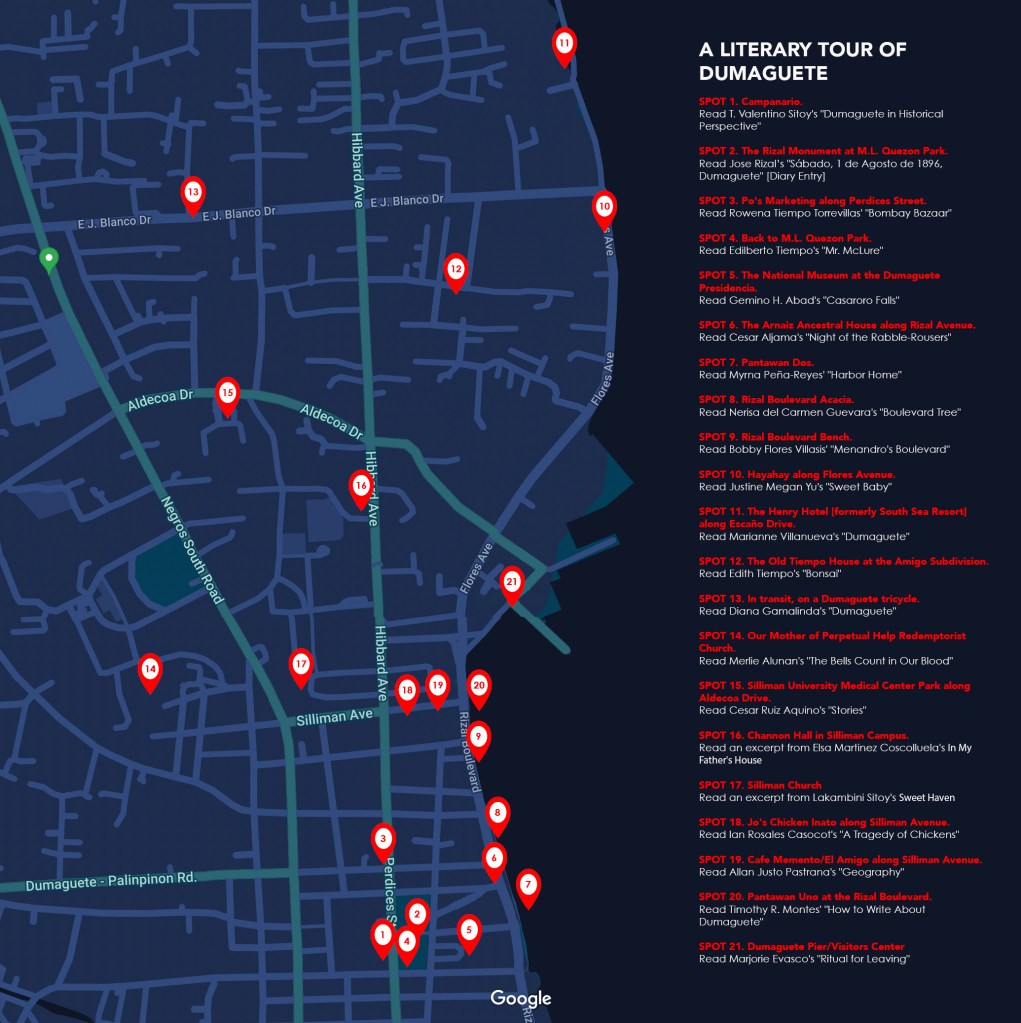
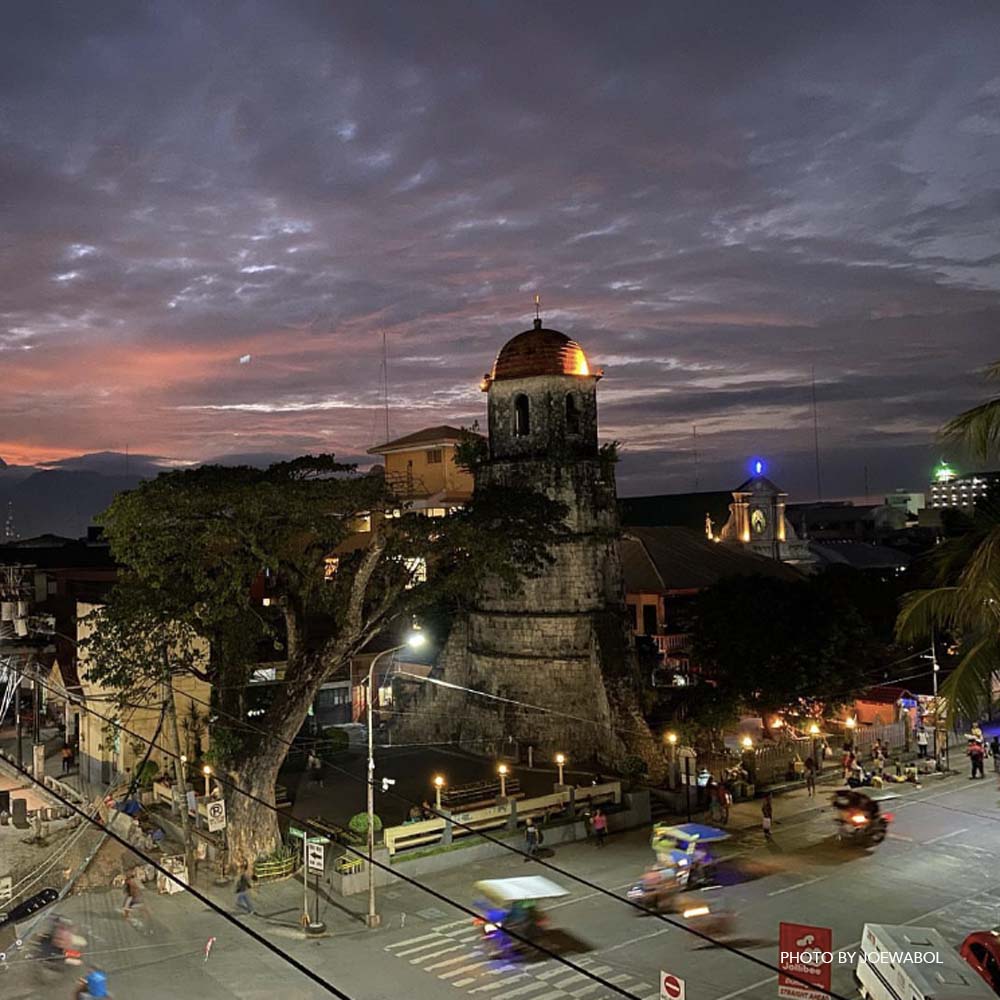
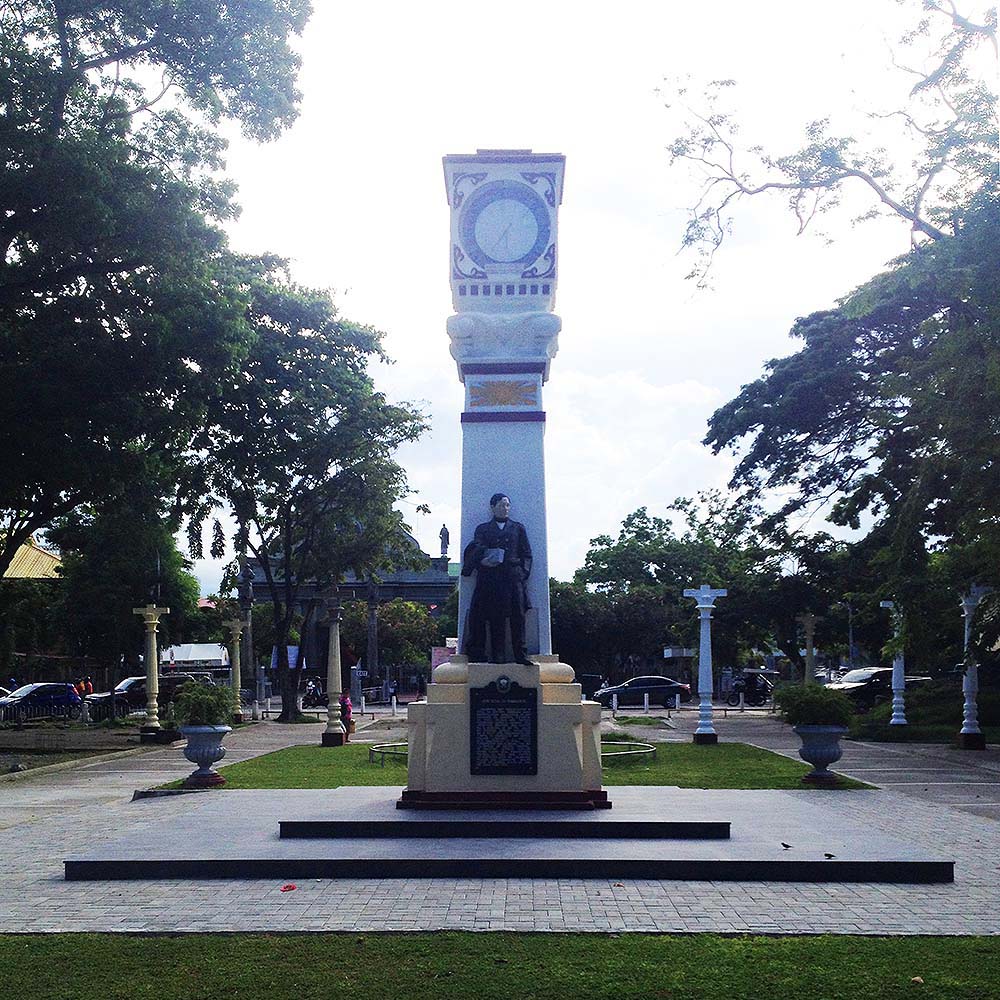
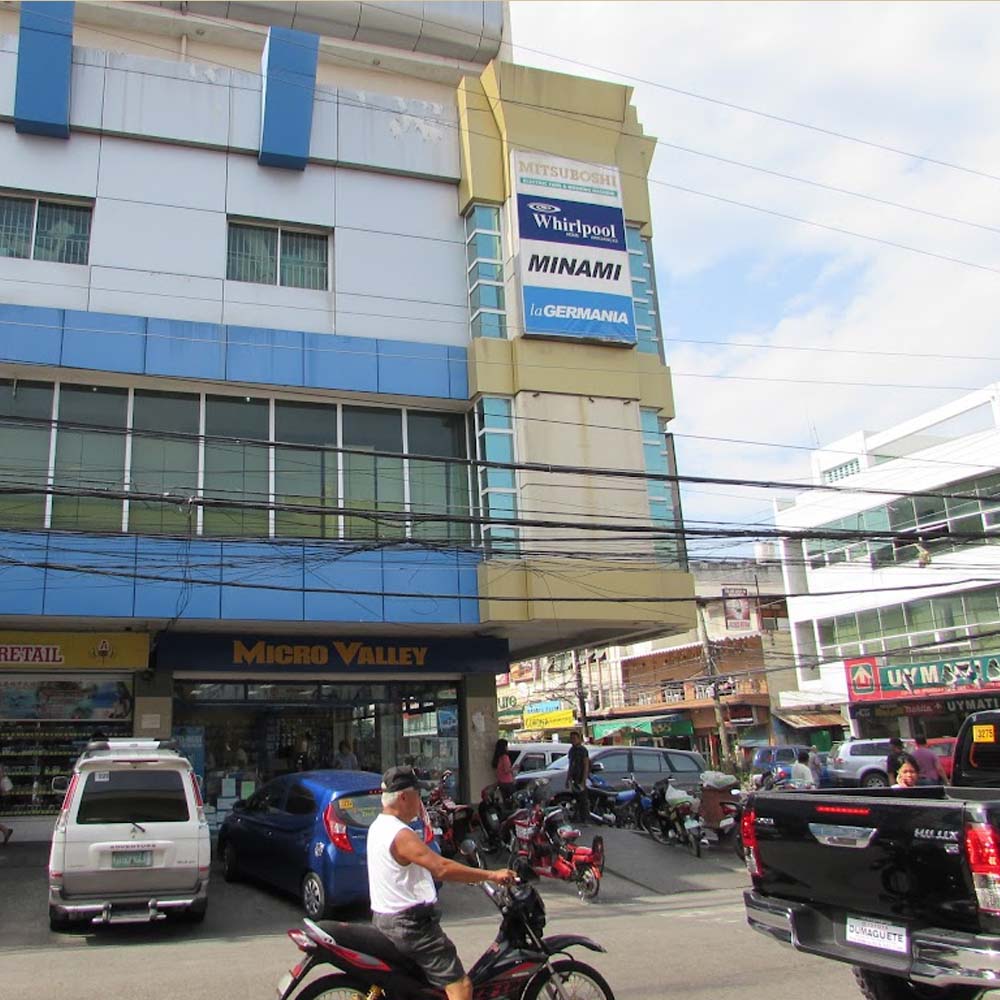
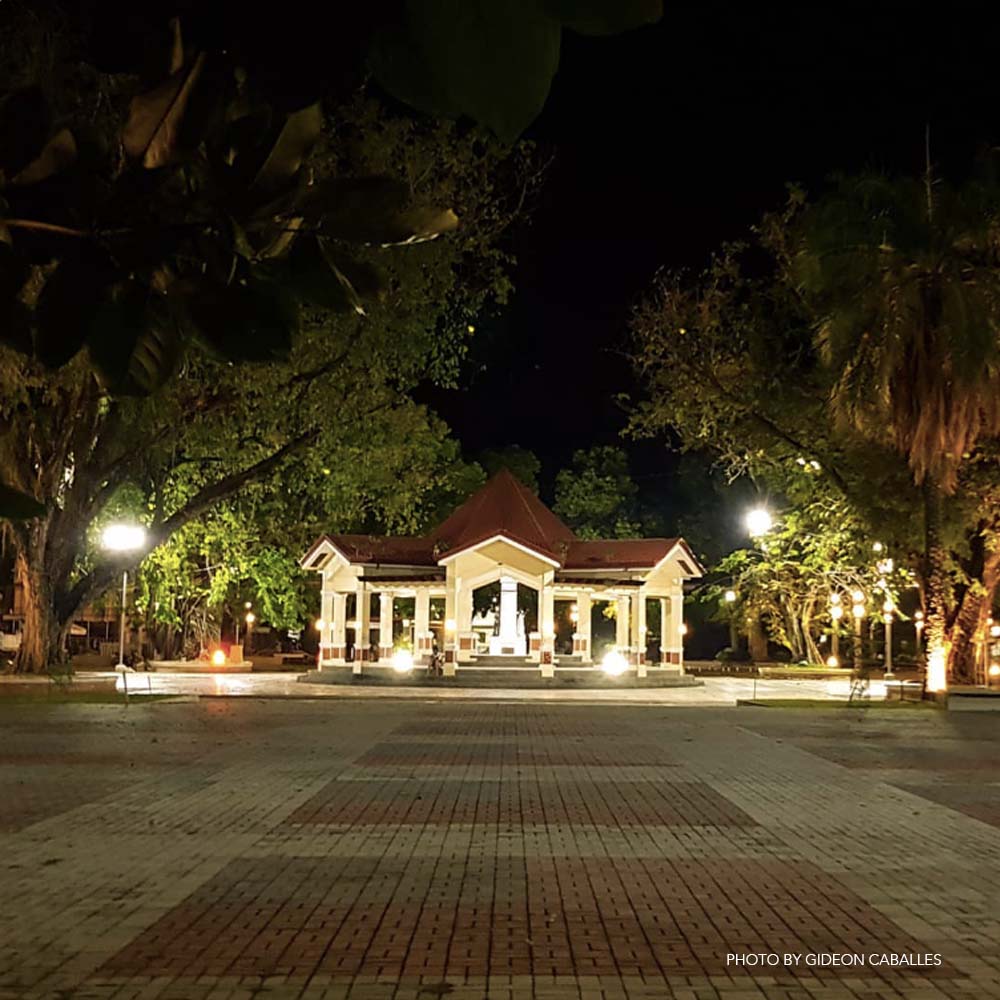
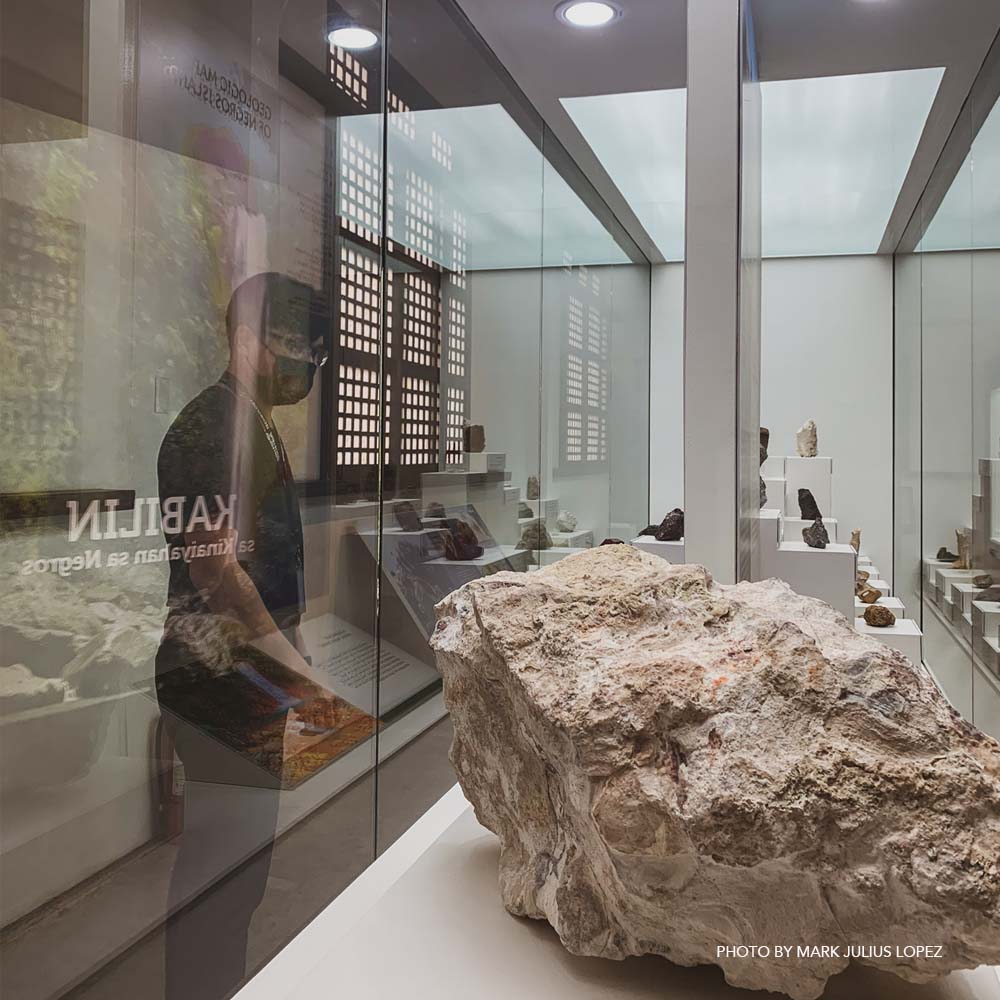
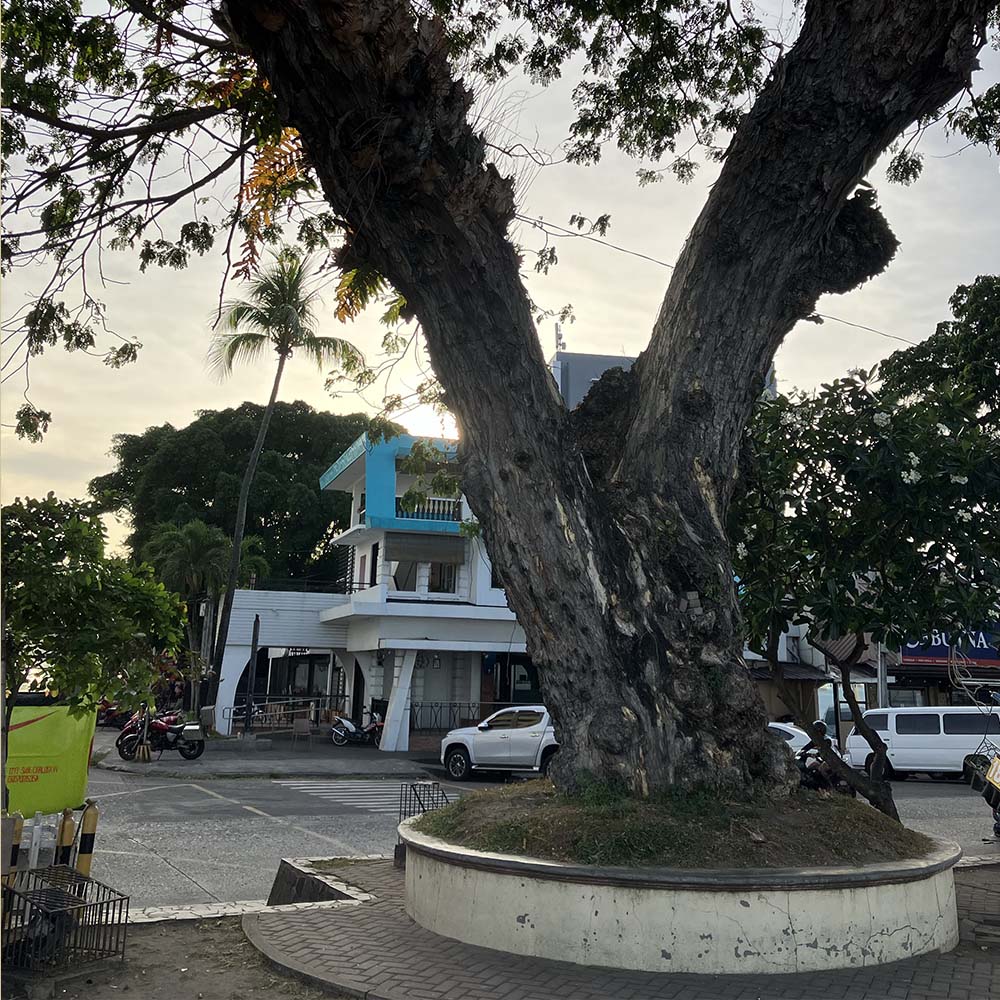
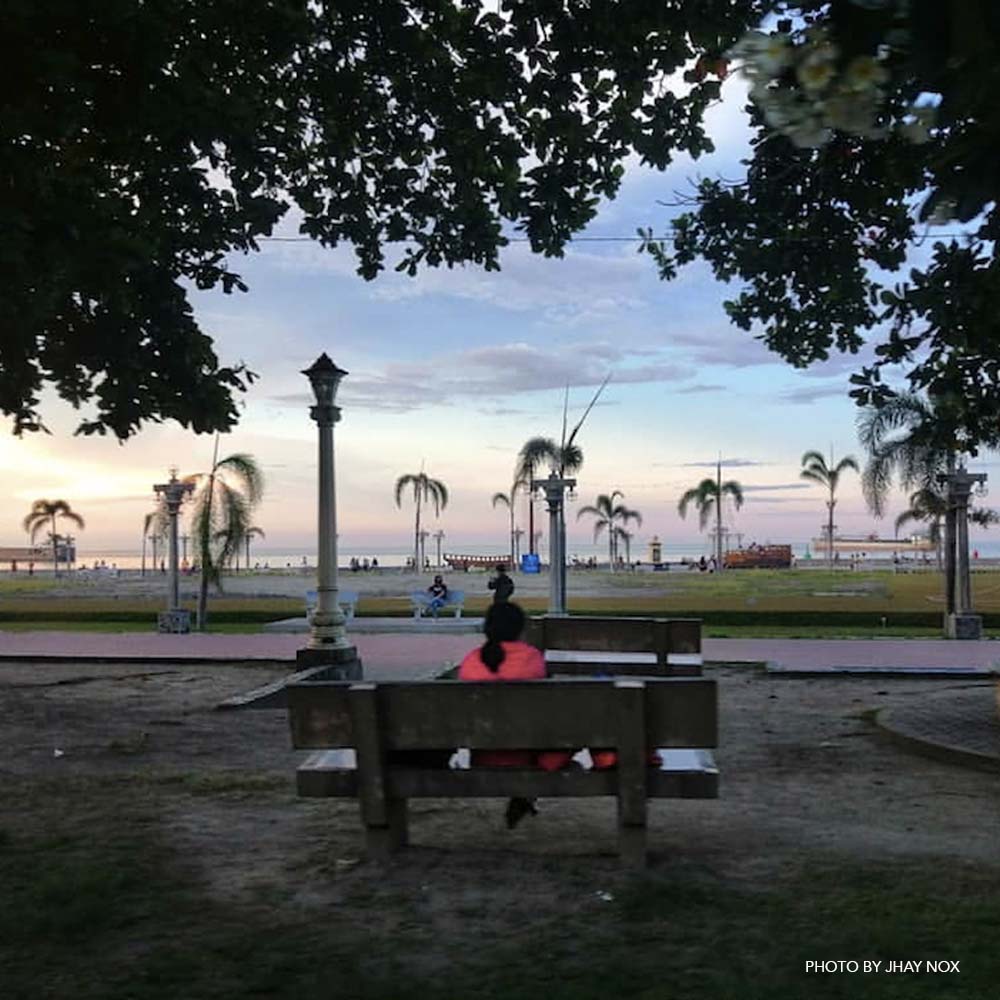
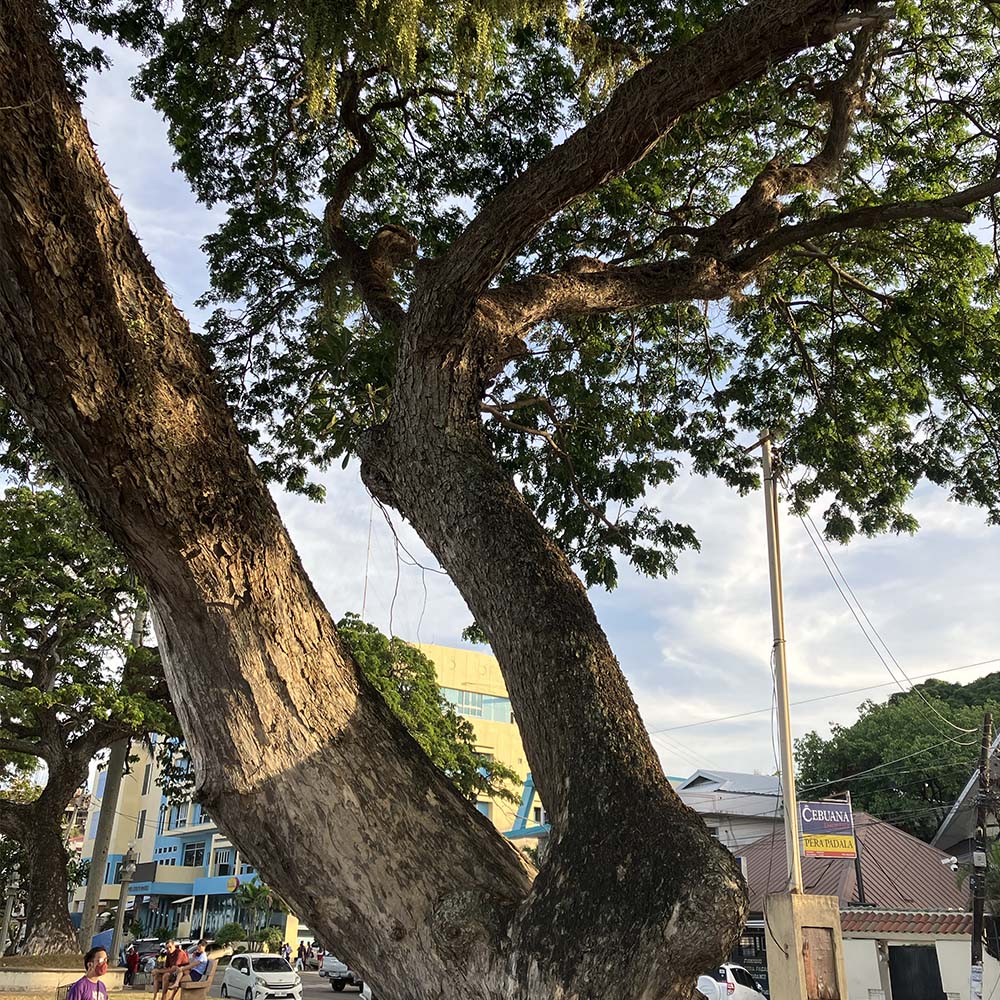
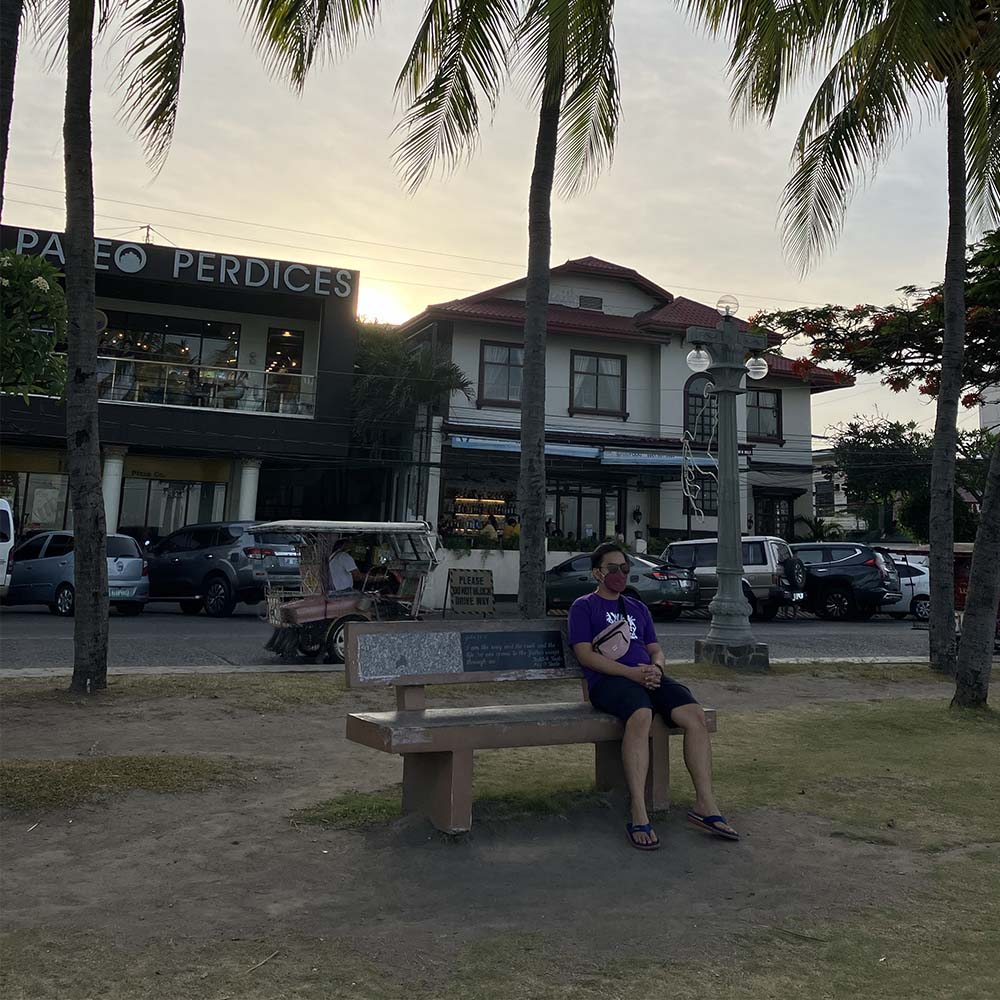
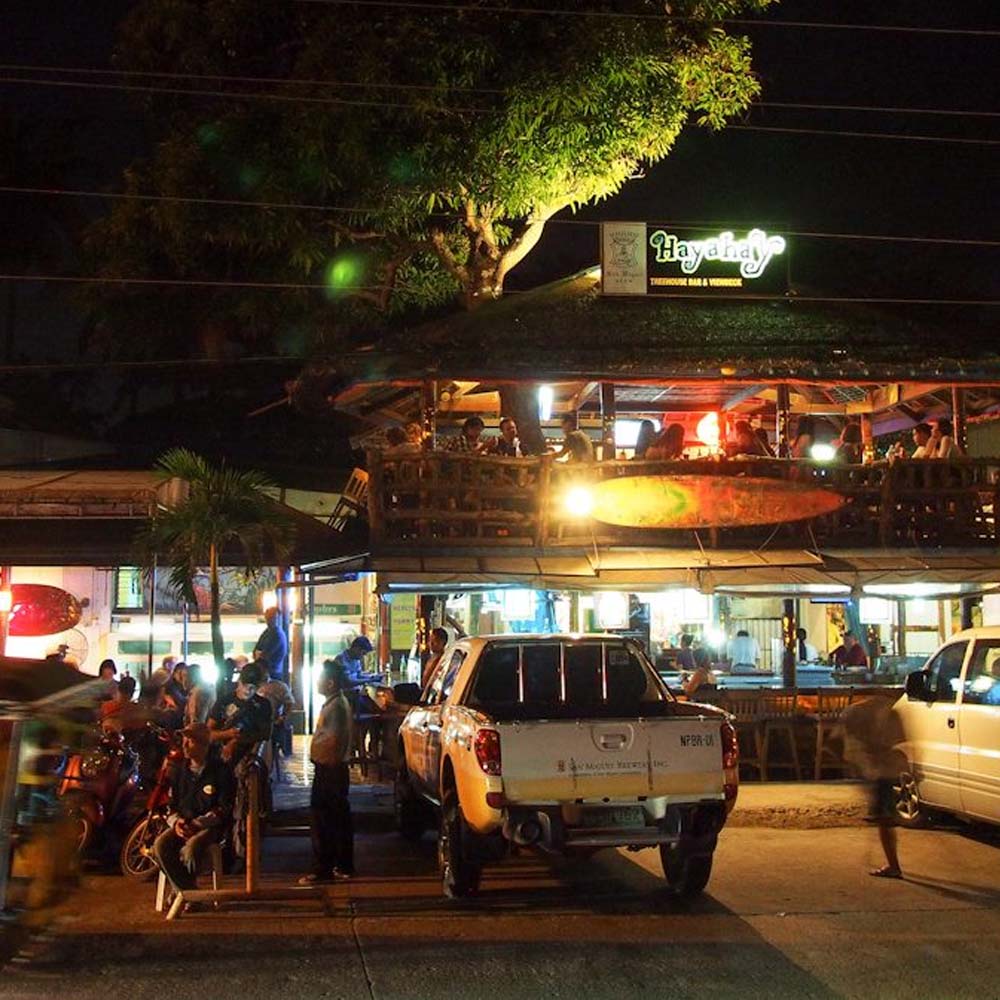
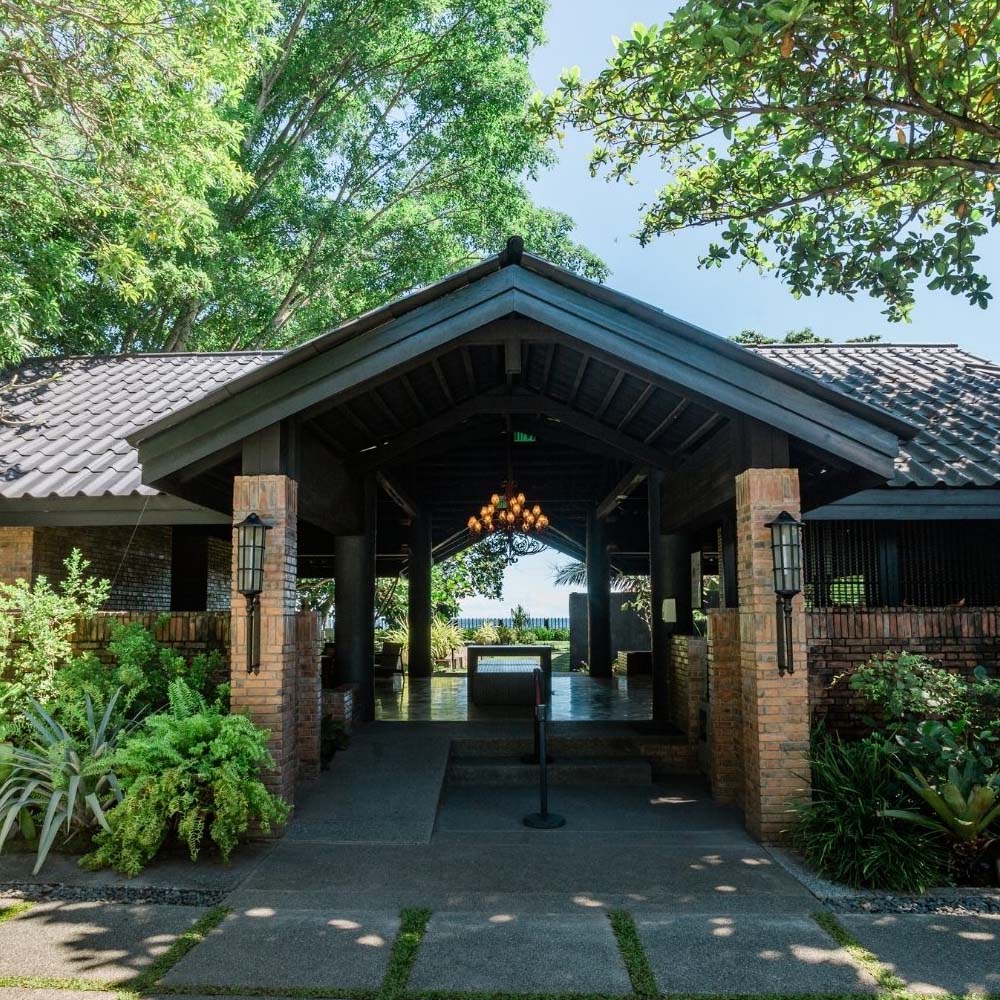
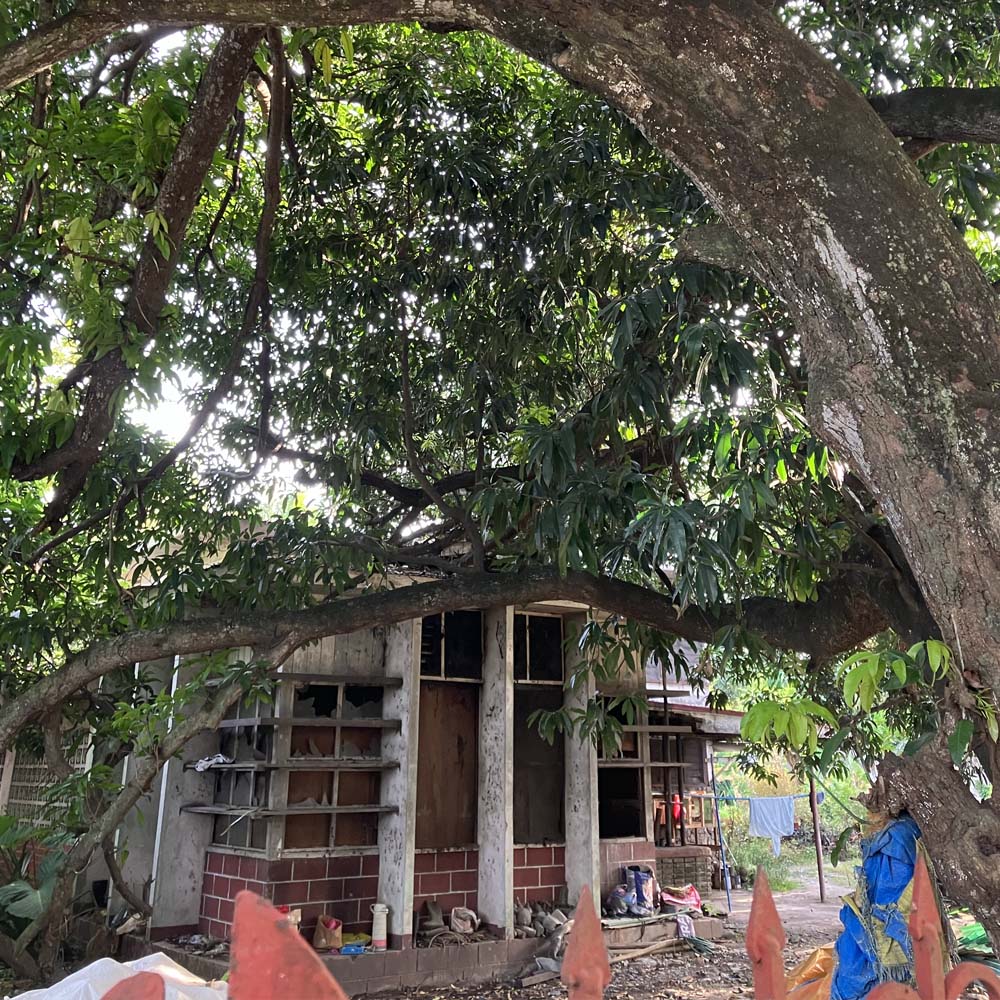

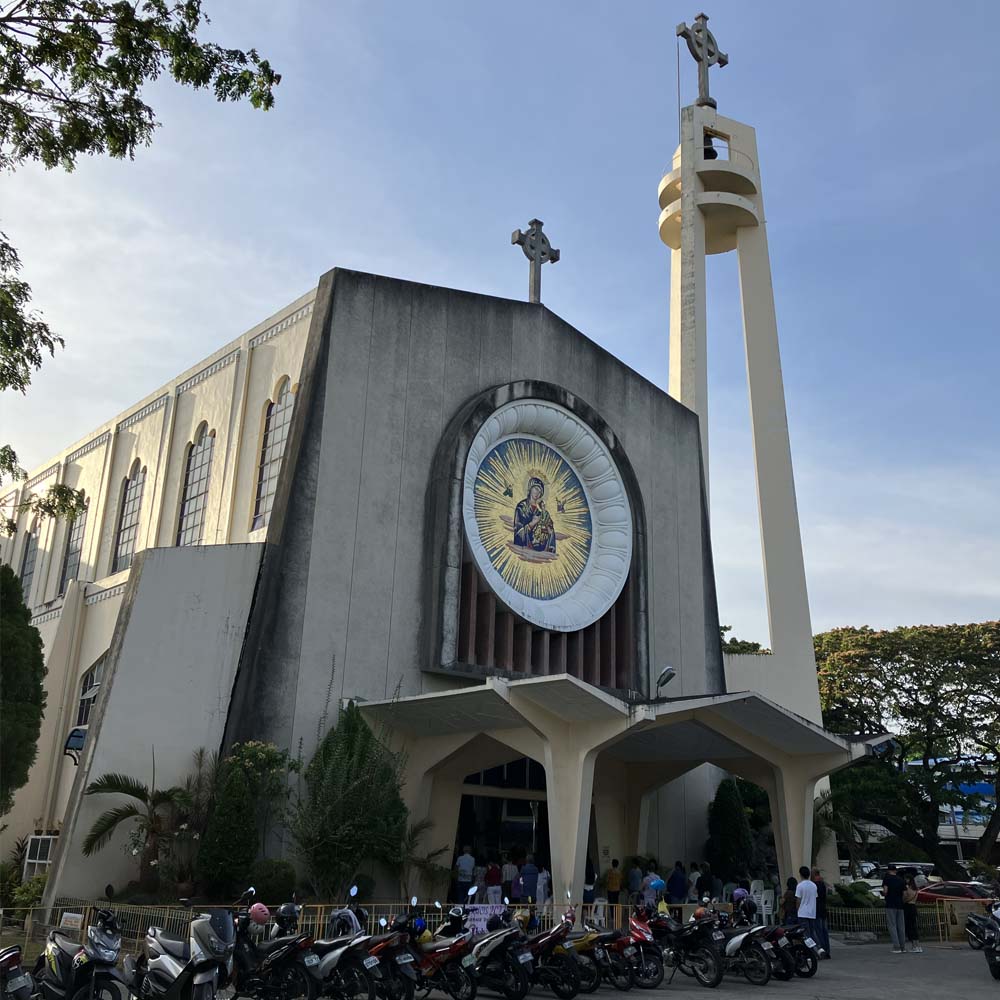

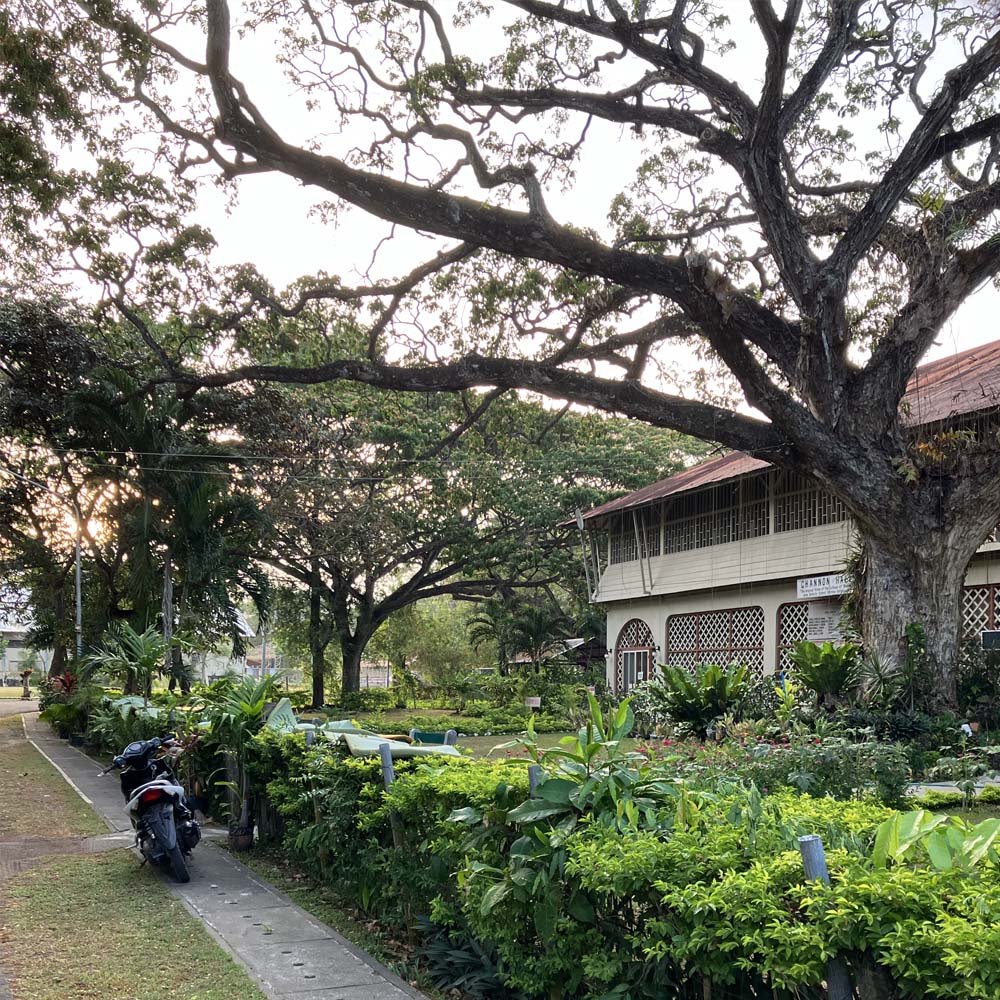
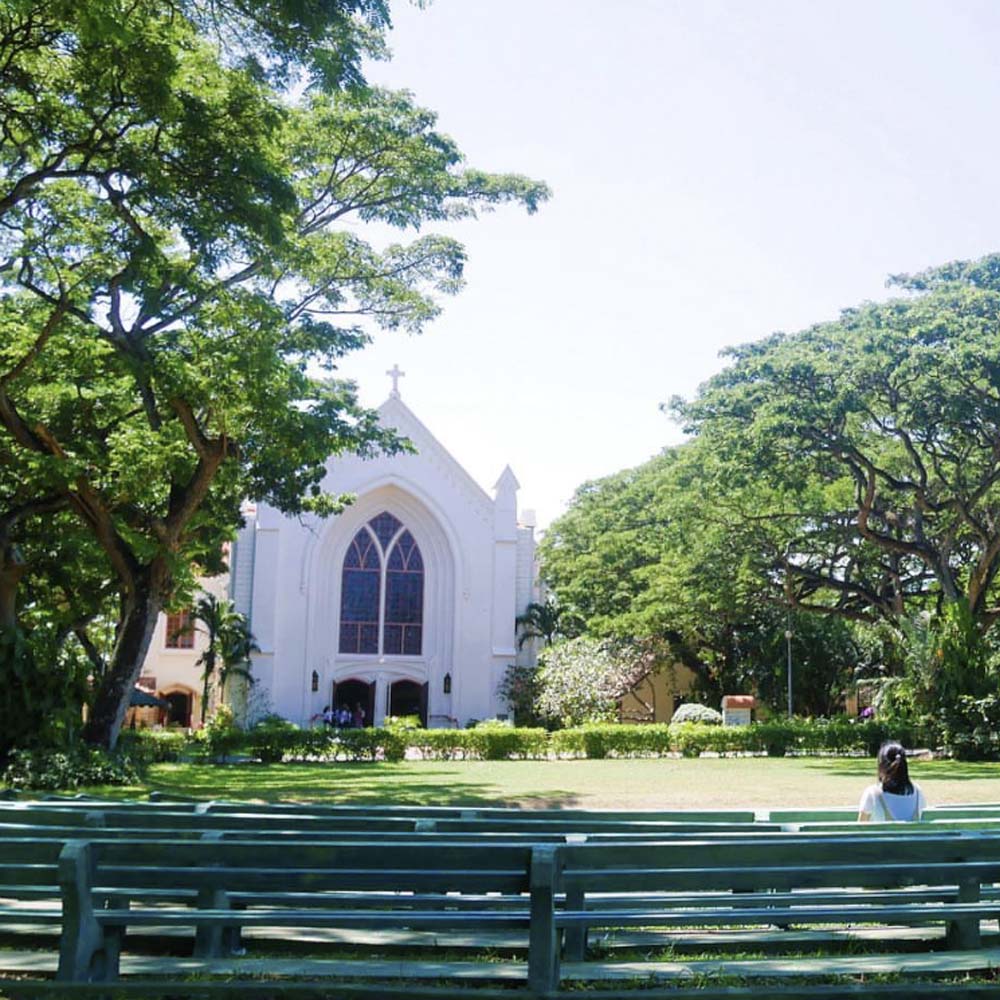
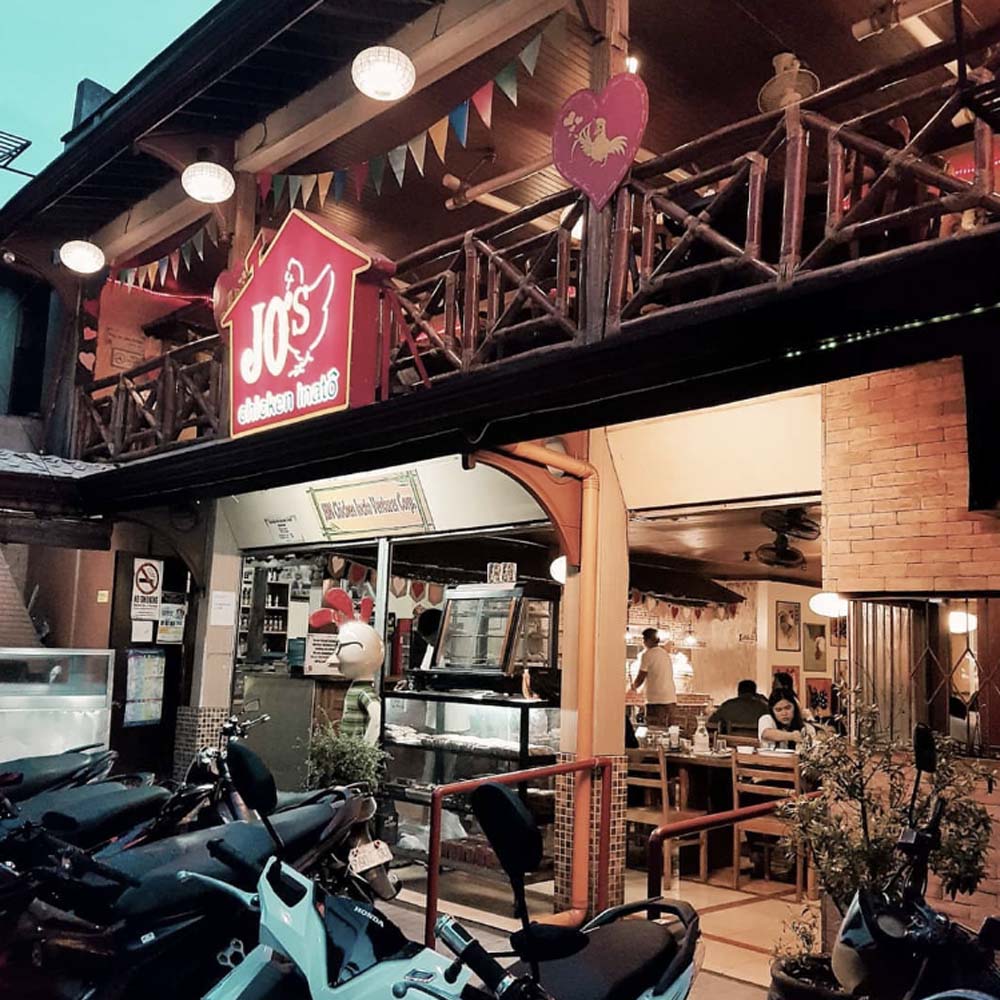
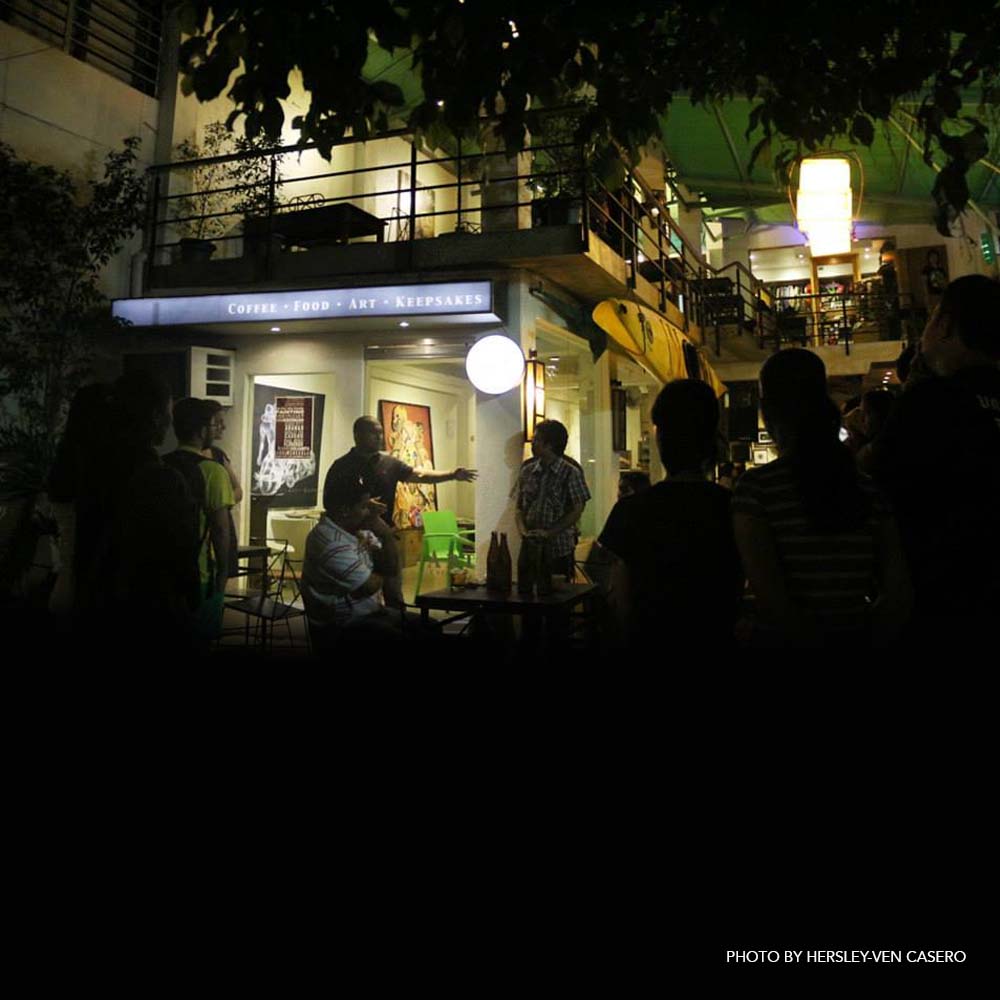
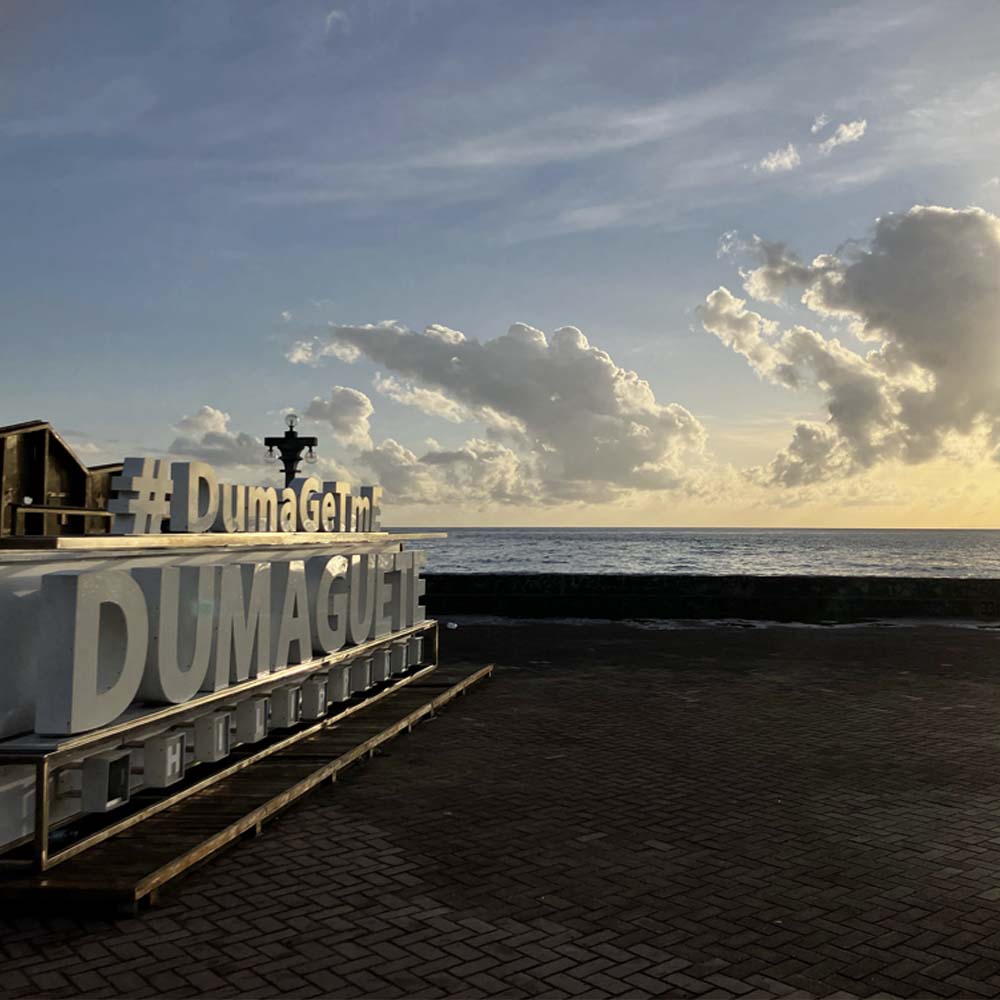
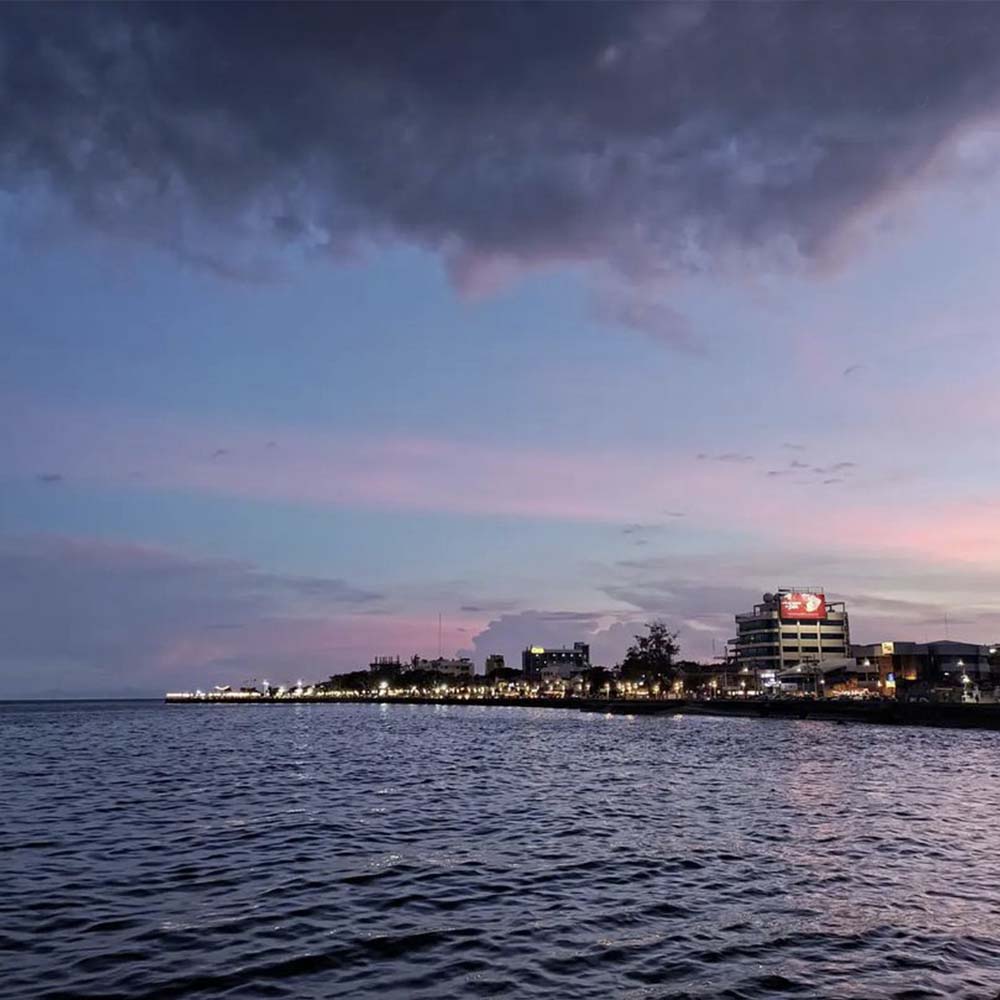



 Buglas Writers Journal